What is anxiety disorder? Is it the same as obsessive-compulsive disorder?
Aug 06, 2022
Source: Cainiu Health

Dr. He Haochen
Introduction
Anxiety disorders and obsessive-compulsive disorder (OCD) are common mental health conditions encountered in daily life and are classified as mild psychiatric disorders. Most individuals with OCD experience co-occurring anxiety symptoms. When compelled to perform—or refrain from performing—certain actions against their will, they often feel uneasy, tense, and anxious. Common repetitive behaviors include repeatedly checking whether doors and windows are locked before leaving home.
Modern life is highly stressful, and many people develop anxiety disorders or obsessive-compulsive disorder (OCD) in daily life. These conditions can significantly impact patients’ quality of life. However, many individuals lack a comprehensive understanding of these disorders and remain unclear about their potential harms. Therefore, patients are strongly advised to learn more about these conditions to facilitate effective treatment of these psychological disorders. But what exactly are anxiety disorder and OCD?
What Are Anxiety Disorder and OCD?
Anxiety disorder and OCD are both common mental health conditions—and classified as mild psychiatric disorders. Most individuals with OCD experience co-occurring anxiety symptoms. When compelled to perform—or avoid—certain actions against their will, patients often feel uneasy, tense, or anxious. Common manifestations include repetitive behaviors, such as repeatedly checking whether doors and windows are locked before leaving home, or persistent mental recollections—such as replaying past memories or an old song. Unlike externally triggered distress, OCD stems from internal conflicts; patients are troubled not by external factors but by their own internal struggles—specifically, unconscious mental processes that interfere with rational thought.
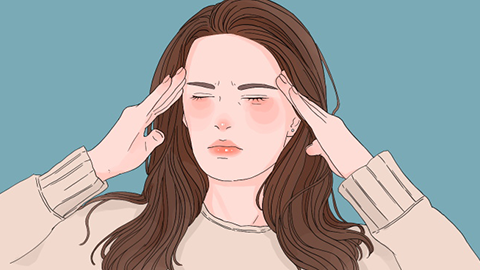
Although both anxiety disorder and OCD fall under the umbrella of mental and psychological disorders, they differ in etiology, clinical presentation, associated comorbidities, and treatment approaches. OCD primarily manifests as intrusive, obsessive thoughts and compulsive behaviors—patients frequently ruminate over the same concerns and repeat identical actions. In contrast, anxiety disorder is characterized by persistent, unexplained feelings of worry and apprehension, sometimes accompanied by physical symptoms such as palpitations, sweating, chest tightness, shortness of breath, tachycardia, or hand/foot tremors. Common complications of OCD include tic disorders and hypochondriasis, whereas anxiety disorder is frequently associated with unstable blood pressure or blood glucose levels, sleep disturbances, irritable bowel syndrome (IBS), and depression.
If symptoms of anxiety disorder or OCD persist without improvement, they may severely disrupt patients’ daily functioning and occupational performance. Prompt medical evaluation at a healthcare facility is therefore essential. Under professional guidance, active and cooperative engagement in treatment—including pharmacotherapy and psychotherapy—greatly increases the likelihood of full recovery. We hope this information proves helpful to you.