


What is depression?
Aug 06, 2022
Source: Cainiu Health

Dr. He Haochen
Introduction
Depression may represent a systemic condition. Specifically, it is a mental disorder that disrupts daily functioning. This psychiatric illness can affect the entire body—altering not only emotional experiences but also physical sensations—and leads to changes across multiple domains, including cognition, emotion, thought processes, behavior, and self-perception.
Everyone experiences periods of low mood, which can affect our daily lives. Given the high prevalence of depression in modern society, many people naturally assume such symptoms indicate depression. However, accurately diagnosing depression requires professional clinical evaluation. So, what exactly is depression?
What Is Depression?
Depression may represent a systemic condition—specifically, it is a psychiatric disorder that significantly disrupts an individual’s daily functioning. This mental health condition can affect the entire person: emotionally, physically, cognitively, and behaviorally—as well as influencing one’s sense of self. Observable changes occur across multiple domains, including thought patterns, emotional responses, cognitive processing, behavior, and self-perception. If left unrecognized and untreated, these changes can lead to serious, even life-threatening, consequences. Clinically, patients typically present with persistent, pervasive low mood. This may progress from mild sadness to profound despair, unwarranted feelings of worthlessness or guilt, intense sorrow, or pervasive hopelessness. In severe cases, suicidal ideation, self-harm behaviors, or psychomotor retardation (e.g., marked physical slowing or rigidity) may occur. As one of the primary types of mood disorders, depression is clinically diagnosed when a patient exhibits persistently depressed mood that is disproportionate to their circumstances, along with significant emotional blunting or low affect.
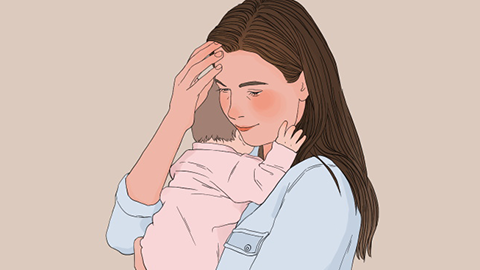
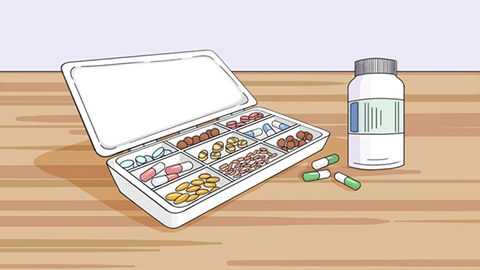
During the acute phase of a depressive episode, it is essential to ensure the patient adheres strictly to the prescribed medication regimen as directed by their physician. Treatment response should be closely monitored, and any potential adverse drug reactions must be promptly identified and evaluated. Encourage and support the patient in preventing harmful behaviors; pay close attention to changes in appetite and sleep patterns; promote balanced nutrition; encourage appropriate physical activity; and implement other preventive strategies.
Early detection and prompt treatment are strongly recommended for individuals with depression, as timely intervention significantly improves treatment outcomes. We hope this information has been helpful to you.


