


Should a BI-RADS Category 4a breast nodule be surgically removed?

Many women around us are diagnosed with breast nodules, including BI-RADS Category 4a lesions, which require timely management. So, does a BI-RADS Category 4a breast nodule necessitate surgical excision?
Does a BI-RADS Category 4a Breast Nodule Require Excision?
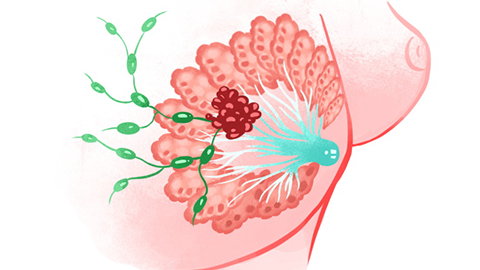
A BI-RADS Category 4a breast nodule is considered likely benign, with an estimated malignancy risk of approximately 2% to 10%. Clinically, management options for Category 4a nodules include image-guided core needle biopsy, surgical excisional biopsy, or close surveillance with regular follow-up. Breast nodules are common in clinical practice; upon detection, determining their nature—typically classified as either benign or malignant—is critical. The majority of breast nodules are benign and may be managed conservatively with routine follow-up imaging, or surgically excised based on patient preference.

In patients with breast nodules, hormonal imbalances—particularly involving endocrine function—are often considered a primary contributing factor. Both mammary gland hyperplasia and nodular breast tumors are regulated by estrogen, progesterone, and luteinizing hormone. Individuals with sex hormone imbalances or menstrual irregularities are at higher risk for developing nodular breast lesions. Additionally, lactation-related fluid retention or mastitis may lead to the formation of nodular breast masses, with inflammatory nodular masses being especially common.
Patients should prioritize adequate sleep, avoid excessive fatigue and late-night activities, and engage in appropriate physical exercise. Routine breast ultrasound examinations are recommended every three months. If the nodule progressively enlarges, surgical excision may be considered. We hope this information proves helpful!


