


When does pregnancy-related edema begin?

Most pregnant women experience edema during the later stages of pregnancy, which may affect their daily activities. At what gestational month does pregnancy-related edema typically begin?
When Does Pregnancy-Related Edema Begin?
In most cases, bilateral lower-limb edema begins around the sixth month of pregnancy. This is primarily due to uterine enlargement compressing the inferior vena cava, impairing venous return from the lower limbs and resulting in peripheral edema. It is recommended that pregnant women elevate both legs while sleeping. When edema occurs during pregnancy, it is essential to assess for proteinuria via urinalysis. If proteinuria is detected, clinical intervention is warranted, and gestational hypertension must be ruled out. Blood pressure should therefore be measured at every prenatal visit.

The first trimester (first three months) is a particularly critical period, as the pregnancy is less stable. During this time, pregnant women should balance rest with moderate physical activity, avoid vigorous exercise and sexual intercourse, and—if engaging in sexual activity—do so gently and without excessive intensity. Regular prenatal check-ups are essential throughout pregnancy; specific screening tests vary by gestational age, and any abnormalities should be promptly identified and managed accordingly. Pregnant women should also avoid exposure to ionizing radiation, such as X-rays and CT scans.
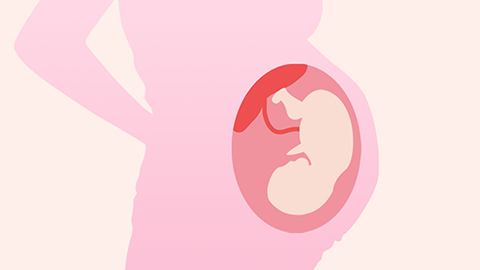
During the third trimester—the final three months of pregnancy—the fetus grows rapidly, necessitating appropriate nutritional support. Pregnant women should monitor fetal heart rate and fetal movement frequency regularly. A normal fetal heart rate ranges between 110 and 160 beats per minute, with an upper limit of 180 bpm. An abnormally elevated fetal heart rate or increased fetal movement may indicate intrauterine hypoxia or ischemia, warranting immediate medical evaluation and oxygen therapy. We hope this information proves helpful to you!


