


What should be done for a cesarean scar pregnancy?

Cesarean scar pregnancy (CSP) is an abnormal form of pregnancy. If not promptly managed, it poses serious risks to both maternal and fetal safety. So, what should be done in cases of cesarean scar pregnancy?
Management of Cesarean Scar Pregnancy
Cesarean scar pregnancy—implantation of the gestational sac within the uterine scar from a prior cesarean delivery—is typically managed by pregnancy termination upon diagnosis, as many such pregnancies progressively become more hazardous. Treatment options include medical or surgical interventions. Methotrexate is the first-line pharmacological agent. Surgical approaches encompass ultrasound-guided uterine curettage, hysteroscopic cesarean scar resection, and removal of the gestational tissue from the scar site. Uterine artery embolization serves as a critical adjunctive therapy. Individualized treatment plans are formulated based on the patient’s age, ultrasound classification, and reproductive goals.
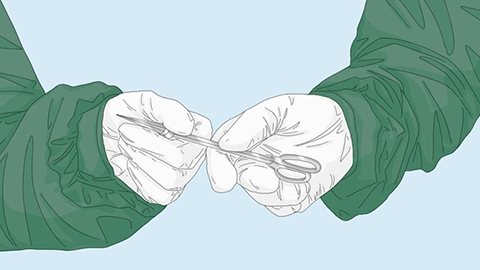
Following surgery for cesarean scar pregnancy, numerous postoperative precautions must be observed. Patients must strictly adhere to their physician’s instructions and prioritize physical recovery. Strenuous physical activity and frequent sexual intercourse should be avoided, and adequate sleep must be ensured. Diet also plays a vital role: meals should be light yet nutritionally dense, emphasizing foods rich in protein and vitamins. Spicy, irritating foods, smoking, and alcohol consumption must be strictly avoided.
Cesarean scar pregnancy is a rare but clinically significant condition that severely compromises maternal health. Common symptoms include lower abdominal pain and vaginal bleeding; severe cases may even progress to shock, necessitating surgical intervention. We hope this information has been helpful to you!


