


What is angina pectoris?

The term “angina pectoris” (literally “strangling chest pain”) often evokes the image of intense, severe pain—almost as if the heart itself is being constricted. Literally interpreted, it suggests a serious, distressing pain that typically manifests as sharp, acute discomfort localized behind the sternum. So, what exactly is angina pectoris?
What Is Angina Pectoris?
Angina pectoris is a type of chest pain arising from myocardial ischemia—i.e., insufficient blood supply to the heart muscle—caused by narrowing or spasm of the coronary arteries. The pain is typically felt in the precordial region and may radiate to the left shoulder, back, or upper abdomen. Dental pain can sometimes mimic angina (“jaw angina”), and angina episodes are commonly triggered by exertion, occur at night, or worsen when lying flat (so-called “nocturnal” or “decubitus angina”). Angina must be carefully differentiated from acute myocardial infarction (heart attack). While angina usually occurs or intensifies after physical exertion and subsides with rest, myocardial infarction does not resolve with rest. Angina can often be relieved by sublingual nitroglycerin or rapid-acting cardiovascular medications such as Su Xiao Jiu Xin Wan (a traditional Chinese medicine formulation); in contrast, myocardial infarction persists despite such interventions and may be accompanied by profuse sweating, shock, or dyspnea—symptoms that do not improve spontaneously.
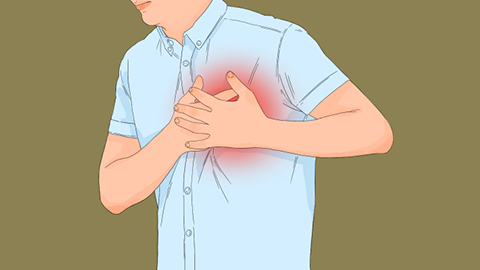
Although angina is generally milder than myocardial infarction, it represents an early manifestation of coronary artery disease (CAD) and warrants prompt medical evaluation. Angina falls within the spectrum of cardiovascular diseases and refers specifically to transient, reversible myocardial ischemia and hypoxia resulting from inadequate coronary perfusion, leading to chest pain or discomfort. This sensation reflects the heart’s ischemic state on the body surface and exhibits characteristic features—most commonly a crushing, pressure-like pain; it may also present as paroxysmal chest discomfort and occasionally be associated with other symptoms.
Patients are advised to maintain appropriate physical activity and regular exercise to prevent obesity, enhance circulatory function, and regulate lipid metabolism. Work and daily life should be reasonably balanced, and smoking and alcohol consumption should be discouraged. We hope this information proves helpful.


