


Which department should I visit for chronic insomnia?

Many people wake up in the middle of the night and cannot fall back asleep—this, in fact, is insomnia. Chronic insomnia can severely harm one’s health and may even lead to neurasthenia. Therefore, it is essential to identify the underlying cause promptly and take appropriate corrective measures. So, which department should one visit for recurrent insomnia?
Which Department Should One Visit for Recurrent Insomnia?
If experiencing insomnia, patients should seek medical evaluation at a hospital. They should schedule an appointment with the Department of Neurology and consult a specialist neurologist for diagnosis and differential diagnosis. Insomnia may be primary (idiopathic) or secondary, and it can also be a presenting symptom of an underlying organic disease. For instance, patients with anxiety or depression often present with insomnia as their chief complaint. Through professional differential diagnosis, physicians may uncover significant organic conditions—such as malignancies, paraneoplastic syndromes, or early systemic effects of cancer—that contribute to insomnia. Comprehensive examinations following differential diagnosis enable clinicians to reach an accurate diagnosis.
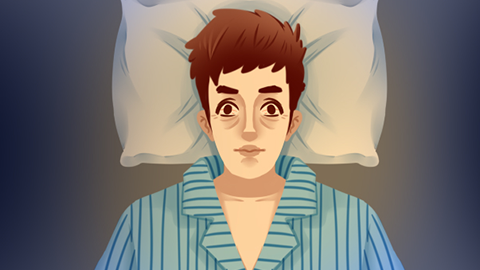
Recurrent insomnia is frequently caused by excessive psychological stress, anxiety, or depression. Many individuals experience occasional insomnia, often linked to heightened mental stress—particularly when the brain remains overly stimulated or tense before bedtime, significantly impairing sleep quality. Most individuals chronically affected by negative emotional states such as anxiety and depression suffer varying degrees of insomnia. Over time, these patients may develop sleep-related anxiety and inaccurate estimations of their sleep duration, thereby exacerbating their insomnia.

In daily life, prioritize adequate rest, avoid staying up late, and cultivate healthy lifestyle habits. We hope this information proves helpful to you.


