


Can patients with gastric bleeding eat crab?

Modern life places considerable stress on people, and as a result, many individuals—whether mildly or severely—suffer from gastric disorders. Some people develop very serious gastric conditions. In cases of gastrointestinal bleeding, immediate hospitalization is essential; however, dietary management also requires special attention. So, can patients with gastric bleeding eat crab?
Can patients with gastric bleeding eat crab?
Gastric bleeding patients should avoid eating crab. During active gastric bleeding, digestive function in the stomach and intestines is significantly impaired, making crab—being high in protein and relatively difficult to digest—unsuitable for consumption. Gastric bleeding occurs when blood vessels in the stomach rupture. Common causes include improper diet, binge eating, long-term use of irritating medications, chronic alcohol consumption, gastritis, and gastric ulcers—all of which may precipitate bleeding. Typical symptoms include nausea and abdominal distension; in severe cases, vomiting may occur. Patients are advised to promptly take prescribed medications under medical supervision and avoid greasy, spicy, or hard-to-digest foods. Instead, they should consume easily digestible, soothing foods such as millet porridge and pumpkin soup, which support gastrointestinal recovery. Additionally, intake of various vitamins—through vegetables and fruits—is recommended.
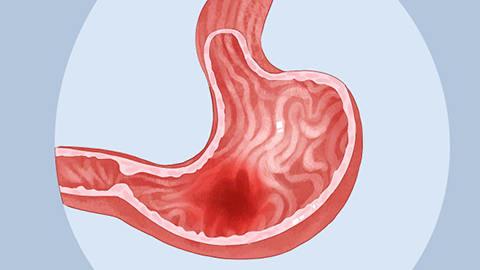
If gastric bleeding is mild, pharmacological treatment may be appropriate, guided by the principle of suppressing gastric acid secretion to protect the gastric mucosa—thereby effectively alleviating or even resolving bleeding symptoms. Currently, omeprazole and esomeprazole are commonly used acid-suppressing agents, while magnesium aluminum silicate tablets are frequently prescribed to protect the gastric mucosa. Moreover, during drug therapy, patients must adhere to appropriate dietary restrictions.

In daily life, cultivating healthy lifestyle and dietary habits is crucial—especially avoiding eating on an empty stomach. We hope this information proves helpful to you.


