


子宫内膜病变怎么Treatment
Aug 07, 2022
Source: Cainiu Health

Dr. Chen Zhe
Introduction
子宫内膜异位症临床上常见于子宫内膜炎、子宫内膜息肉、子宫内膜结核、子宫内膜囊肿,甚至子宫内膜癌等,具体TreatmentMethod应根据Disease来Treatment。炎症者加强抗炎Treatment,子宫内膜囊肿或息肉需行宫腔镜SurgeryTreatment。评估能否SurgeryTreatment后,联合放疗或化疗对症Treatment。
Many women suffer from endometrial disorders and seek timely treatment. So, how are endometrial disorders treated?
How Are Endometrial Disorders Treated?
Clinically, endometrial disorders commonly include endometritis, endometrial polyps, endometrial tuberculosis, endometrial cysts, and even endometrial carcinoma. Specific treatment strategies depend on the underlying diagnosis. For inflammatory conditions, intensified anti-inflammatory therapy is indicated. Endometrial cysts or polyps typically require hysteroscopic surgical intervention. If cervical cancer is identified upon examination, surgical resection is evaluated first, followed by adjuvant radiotherapy or chemotherapy as appropriate. In advanced or metastatic disease, therapeutic efficacy tends to be suboptimal; therefore, prompt symptomatic management is essential.

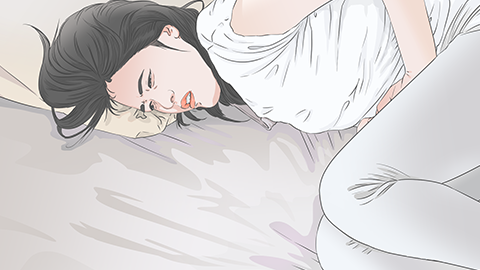
The primary clinical manifestations of endometrial disorders include alterations in menstrual cycle length, menstrual volume, or menstrual blood color. Common presentations include menstrual irregularities, abnormal uterine bleeding (e.g., intermenstrual or postcoital bleeding), or lower abdominal pain. In cases of endometrial carcinoma, secondary infection frequently develops in advanced stages. Clinically, this may manifest as foul-smelling vaginal discharge or discharge resembling rice-washing water—findings that warrant immediate medical attention.
For suspected endometrial disorders presenting with the above symptoms, diagnostic curettage may be performed during the 6th–12th hour of menstruation, as clinically indicated. The obtained tissue specimens are sent for histopathological examination, and subsequent management is guided by the pathological findings. We hope this information proves helpful to you!




