


子宫切除多久可以恢复
Aug 07, 2022
Source: Cainiu Health

Dr. Chen Zhe
Introduction
子宫分为子宫体和宫颈两部分,切除子宫能恢复多久,要看具体情况,如PatientSurgery方式是全子宫切除术还是子宫次全切除术,是否合并慢性病,Patient年龄How to,术后有无感染,有无其他并发症等。Patient仅切除子宫体保留宫颈,一般无并发症,一般术后6~8周可完全恢复。
Recovery after hysterectomy requires time, but an excessively prolonged recovery period may interfere with many aspects of daily life. So, how long does it take to recover following a hysterectomy?
How Long Does It Take to Recover After a Hysterectomy?
The uterus consists of two parts: the uterine body (corpus) and the cervix. The duration of recovery depends on several factors, including the surgical approach—whether it is a total hysterectomy (removal of the entire uterus, including the cervix) or a subtotal (supracervical) hysterectomy (removal of the uterine body only, preserving the cervix)—as well as the patient’s age, presence of chronic medical conditions, postoperative infection, and other potential complications. In cases of subtotal hysterectomy—where only the uterine body is removed and the cervix is retained—recovery is typically uncomplicated, with full recovery usually achieved within 6–8 weeks. In contrast, following a total hysterectomy—which involves removal of both the uterus and cervix—full recovery generally takes about three months. After such surgery, a vaginal cuff (the sutured end of the vagina) remains.

Hysterectomy does not adversely affect overall health or sexual function. The primary roles of the uterus are fetal gestation and menstrual blood storage. Following hysterectomy, menstruation ceases and pregnancy is no longer possible; otherwise, there are no significant changes. The ovaries remain unaffected and continue to secrete hormones, thereby maintaining normal endocrine and metabolic function. Consequently, a woman’s physical appearance, vaginal anatomy, and general quality of life remain unchanged, allowing for normal daily activities.
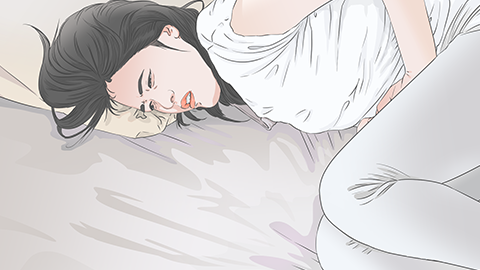
Maintain good perineal hygiene, get adequate rest, avoid fatigue and exposure to cold, practice proper hygiene before and after sexual intercourse, adopt healthy lifestyle habits—including regular sleep patterns and avoiding late-night activity—and seek prompt medical attention if any discomfort arises.





