


牙痛怎么缓解疼痛
Aug 07, 2022
Source: Cainiu Health

Dr. Zhang Liwen
Introduction
牙痛Patient如果想缓解疼痛,通常需要局部Treatment。急性冠周炎症导致牙痛,用生理盐水、过氧化氢、洗必泰溶液等交替进行局部冲洗。直至冲洗液清澈,然后局部涂抹具有收敛作用的碘甘油,疼痛可以很快缓解。急性牙髓炎症导致疼痛,也应局部Treatment。
Toothache is a common oral health issue that affects many people. When toothache occurs, individuals often struggle to eat or sleep properly. Not only does it diminish their motivation to study or work, but it can also significantly disrupt daily life. Therefore, many people are concerned about how to implement preventive measures to reduce the incidence of toothache. So, how can toothache pain be effectively relieved?
How to Relieve Toothache Pain
Patients experiencing toothache typically require localized treatment to alleviate pain. For acute pericoronitis-induced toothache, local irrigation using alternating solutions—such as normal saline, hydrogen peroxide, and chlorhexidine—is performed until the irrigation fluid runs clear. Subsequently, iodine glycerin—a topical astringent—is applied locally, providing rapid pain relief. In cases of acute pulpitis, localized treatment is also essential. Usually, local anesthesia is administered to access the pulp chamber, followed by pulp devitalization (nerve ablation), which offers swift and effective pain relief.
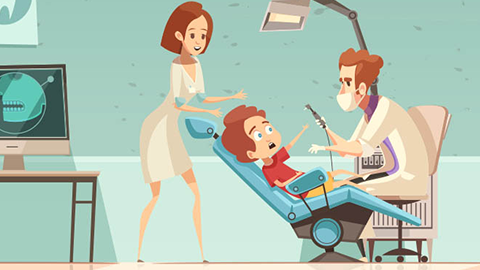
Acute apical periodontitis can likewise trigger painful symptoms. To reduce discomfort, localized intervention is again necessary: opening the pulp chamber to drain exudate, followed by thorough root canal treatment, enabling rapid and effective pain relief. Thus, for patients with toothache seeking complete and effective pain relief, consultation with a dentist and appropriate localized treatment are essential.
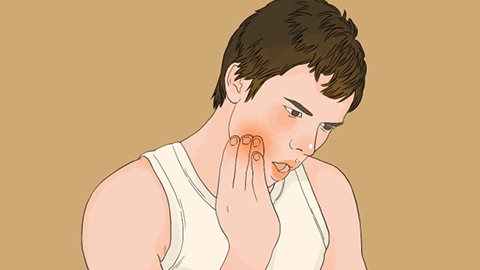
Patients suffering from toothache should follow a bland diet, avoiding spicy and greasy foods that may exacerbate irritation, and maintain good oral hygiene practices. We hope this information proves helpful to you.




