


How to Relieve Nausea and Vomiting During Pregnancy
Aug 07, 2022
Source: Cainiu Health

Dr. Chen Zhe
Introduction
Consume nutrient-rich foods, fruits, fresh vegetables, and vitamin B6 to alleviate nausea and vomiting during pregnancy. Gentle outdoor exercise can help reduce pregnancy-related nausea and vomiting. Additionally, eat a lighter breakfast to keep some food in your stomach, which helps prevent nausea and vomiting. Add a small amount of apple juice and honey to water to soothe and protect your stomach; bananas or lemons may also help relieve morning sickness.
Many women commonly experience nausea and vomiting during pregnancy—a normal physiological response. Mild nausea and vomiting typically have no significant impact on the pregnant woman. However, if symptoms are severe, they may lead to loss of appetite. So, how can nausea and vomiting during pregnancy be alleviated?
How to Alleviate Nausea and Vomiting During Pregnancy
Eat nutrient-rich foods, fruits, fresh vegetables, and vitamin B6 to help relieve pregnancy-related nausea and vomiting. Gentle outdoor exercise can also reduce nausea and vomiting. Additionally, eating a lighter breakfast helps retain some food in the stomach, thereby preventing nausea and vomiting. Adding apple juice and honey to water may soothe and protect the stomach. Pears, oranges, bananas, or lemons can help ease morning sickness. Wear comfortable clothing—tight waistbands on pants may worsen morning sickness—and avoid foods or odors that trigger nausea.
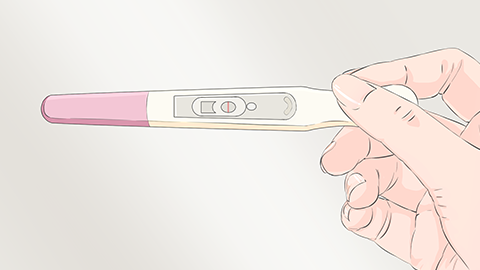
If gastrointestinal disorders have been ruled out, pregnancy-related vomiting is generally caused by hormonal imbalances leading to digestive dysfunction. Severe vomiting during pregnancy may result in electrolyte and fluid imbalances and significant bodily depletion. Dietary adjustments are recommended—for example, eating smaller, more frequent meals and choosing easily digestible foods. Digestive aids—such as over-the-counter digestive tablets (e.g., Jianwei Xiaoshi Pian) or probiotic tablets (e.g., Lactic Acid Bacteria Tablets)—may also be used appropriately. In cases of severe vomiting with inability to eat or drink, prompt intravenous rehydration therapy at a hospital is essential.
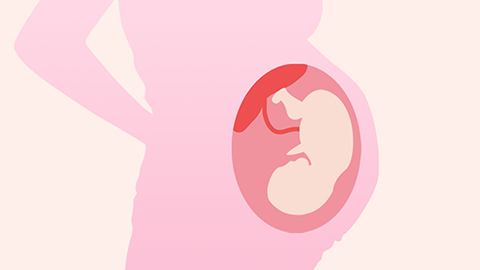
During pregnancy, consuming light, easily digestible foods can help alleviate gastrointestinal discomfort. We hope this information is helpful to you.


