


What Causes Denture Pain?

The incidence of dental caries is higher in spring, autumn, winter, and early spring, but lower in summer. This is primarily because sunlight exposure—and thus ultraviolet radiation—is reduced during spring, autumn, winter, and early spring, resulting in lower endogenous vitamin D levels and consequently increased susceptibility to dental caries. So, what causes denture-related pain?
What Causes Denture-Related Pain?
Pain may arise from small tumors on the tissue surface of removable dentures, which can compress the gums and other soft oral tissues, leading to redness, swelling, and pain. Overly long cervical margins of metal or porcelain crowns may irritate the gingiva, causing swelling and bleeding. Poorly fitting restorations with inadequate interproximal contact readily trap food debris, triggering gingival inflammation and pain. When a full crown becomes damaged or perforated, bacteria can invade the dental tissues and cause caries; this may elicit pain upon exposure to thermal (hot or cold) stimuli. In some cases, pulpitis or periapical periodontitis may develop, further intensifying the pain. Additionally, dentures may gradually sink under occlusal forces after being seated.
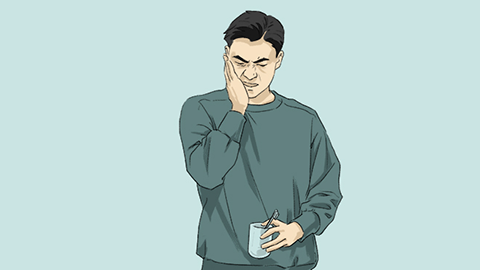
During fracture or fracture healing, these relatively rigid areas may develop mucosal ulcers or pain. Some patients possess high pain tolerance and therefore endure discomfort for prolonged periods; continued denture wear under such conditions may lead to greater trauma and intensified pain. Thus, elderly individuals with complete or removable partial dentures should undergo regular dental examinations to address pain-related issues promptly.

In daily life, maintain a disciplined diet—avoid spicy and irritating foods, refrain from overeating or binge eating, and avoid staying up late. We hope this information proves helpful to you.


