


What should I do if my gums swell and hurt after chewing betel nuts?

Gingival swelling and pain are very common conditions. Some individuals experience gingival swelling and pain after consuming spicy or cold foods, as these foods can irritate the gums. If you develop gingival swelling and pain, it may indicate an underlying disease; therefore, prompt medical evaluation and treatment at a hospital are recommended. So, what should you do if chewing betel nut causes gingival swelling and pain?
What to Do If Chewing Betel Nut Causes Gingival Swelling and Pain
If chewing betel nut leads to gingival swelling and pain, immediately discontinue its use. Residual betel nut particles lodged between or around teeth can irritate the gums, resulting in swelling and discomfort. Professional dental cleaning effectively removes all residual betel nut debris. Failure to do so may lead to plaque and tartar accumulation, perpetuating local irritation of the gums and worsening symptoms. For severe gingival swelling and pain caused by betel nut, rinsing the gingival sulcus with hydrogen peroxide solution may be beneficial.
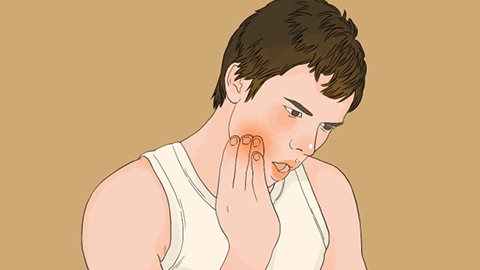
When necessary, antimicrobial mouthwash may be used to reduce inflammation and alleviate pain. In cases where gingival fibrous hyperplasia develops—leading to persistent swelling and pain—and the gingival contour fails to normalize following the above interventions, gingivoplasty may be performed to restore normal gingival morphology. When brushing teeth, use gentle strokes. Excessive force during brushing can traumatize the gums, causing swelling, pain, and even gingival bleeding.
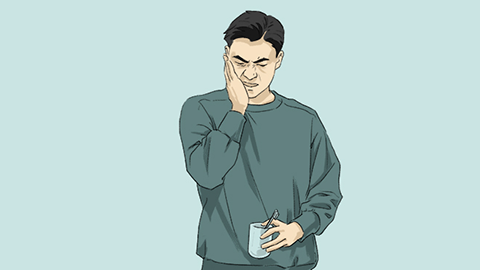
If gingival swelling and pain are present, gentle brushing helps prevent further tissue damage. In cases of severe swelling and pain, rinsing the mouth with warm saline solution is preferable to brushing. We hope this information is helpful to you.


