


What to Eat When Experiencing Gum Pain

If dietary habits are neglected—such as frequently consuming sweets—and oral hygiene is not maintained, gingival pain may easily develop. Although this is not a disease per se, it can cause significant discomfort over time. Once gingival pain occurs, most patients resort to medication. So, what should one take for gingival pain?
What to Take for Gingival Pain
Gingival pain may be treated with medications such as Niuhuang Jiedu Wan (Bezoar Detoxifying Pills) or nitroimidazole-class antibiotics—but these must be taken only under a physician’s guidance. Gingivitis or other forms of periodontitis can cause gingival swelling and pain; if the alveolar tissues are compromised, secondary infections may arise, further exacerbating swelling and pain. Since such gingival swelling and pain stem from pathological or infectious causes, timely evaluation at a reputable dental hospital is essential. Additionally, appropriate toothpaste and other oral hygiene products should be selected carefully.
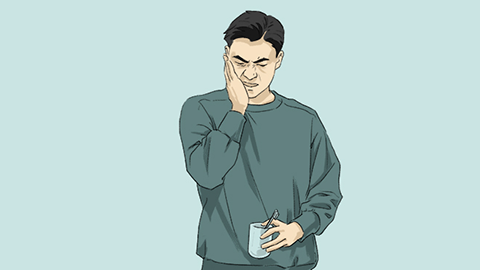
In some cases, gingival pain is triggered by emotional stress—particularly anger—requiring administration of heat-clearing and detoxifying agents, such as Niuhuang Jiedu Wan, which helps alleviate internal “heat” and thus eases gingival pain. This traditional Chinese patent medicine generally carries fewer side effects than conventional Western drugs. For patients whose gingival pain results from gingivitis—for instance, periodontitis, an infectious condition affecting the periodontal tissues primarily caused by anaerobic bacteria—antibacterial and anti-inflammatory medications are necessary to reduce and eliminate inflammatory infection.

In daily life, patients should maintain a positive mental state, actively cooperate with their physicians during treatment, and pay close attention to routine oral care—thereby facilitating prompt improvement in their condition. We hope this information proves helpful.


