


Will pulpitis still cause pain after dental filling?

Post-filling pain is not a common clinical symptom. In cases of moderate or shallow caries—where the decay is relatively distant from the dental pulp—filling procedures typically cause no pain. However, for deep caries, pain may occur 3–5 days after restoration. So, will a tooth with pulpitis still hurt after being filled?
Will a tooth with pulpitis still hurt after being filled?
Generally, no—pain should not persist after filling a tooth affected by pulpitis. Once pulpitis has been successfully treated via root canal therapy (which involves eliminating infected or necrotic pulp tissue), subsequent restorative filling usually does not result in recurrent pain. Pulpitis most commonly arises from untreated dental caries that progressively deepen and widen, allowing bacteria to infect the dental pulp. When inflamed pulp tissue becomes exposed to air, it becomes hypersensitive to pain. The primary treatment for pulpitis is root canal therapy: a dentist uses specialized instruments to access the pulp chamber, remove purulent exudate and inflammatory debris, disinfect the root canals, and finally seal them with biocompatible, resorbable filling materials. Following appropriate treatment, most patients achieve full resolution of pulpitis without ongoing pain.
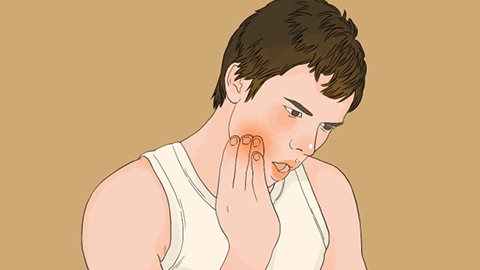
For dental caries, early diagnosis and prompt intervention are critical to effectively prevent complications such as apical periodontitis or pulpitis. Pulpitis develops when caries remain untreated, enabling the cavity to expand and deepen until bacteria invade the pulp, causing infection. As the carious lesion enlarges, inflamed pulp tissue becomes increasingly exposed to the oral environment, heightening its sensitivity to painful stimuli.
In daily life, maintain a balanced diet, avoid spicy or highly stimulating foods, refrain from overeating, and ensure adequate sleep—avoiding late-night activities. We hope this information proves helpful to you.


