


Why is menstrual blood dark brown at the beginning of the period?

At the onset of menstruation, most women notice that their menstrual blood appears dark brown or blackish-brown. Many women become concerned, wondering whether this is abnormal. So, what causes menstrual blood to appear dark brown or blackish-brown at the beginning of the period?
Why does menstrual blood appear dark brown or blackish-brown at the onset?
At the very beginning of menstruation, the volume of menstrual blood is minimal, and its flow rate is slow. As the blood exits the body, it comes into contact with air and undergoes oxidation, causing it to darken—this is a normal physiological phenomenon. As menstrual flow increases, the blood flows more rapidly, significantly reducing the degree of oxidation. Consequently, the blood appears bright red. Toward the end of menstruation, however, the flow slows again, and the blood may darken once more—this color change correlates directly with the volume of menstrual blood. Some women experience only scant bleeding during the first one or two days, with the blood appearing dark brown or blackish-brown.
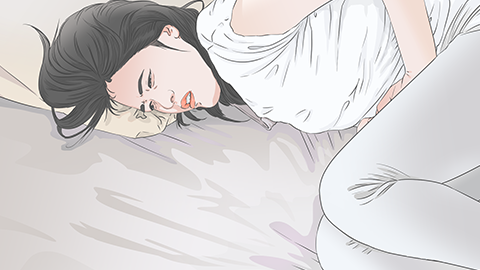
If menstrual blood is delayed or fails to flow adequately, it may indicate ovarian dysfunction. Hormonal blood tests—including measurement of six key sex hormones—can be performed during menstruation to assess whether ovarian function has declined. If menstrual flow remains consistently very light, other potential causes of abnormal uterine bleeding should also be ruled out.

For scanty menstrual flow, treatment under medical supervision may include herbal remedies such as *Yimu Cao* (Leonurus japonicus) or *Wuji Baifeng Wan* (Black-Boned Chicken and White Phoenix Pills) to regulate menstruation. With consistent use over time, symptoms often improve. In addition to pharmacological therapy, dietary adjustments can support recovery—for example, consuming iron- and nutrient-rich foods such as pork liver, beef liver, and lamb to replenish qi and blood. It is also important to manage stress effectively in daily life, as chronic stress can negatively impact hormonal balance and menstrual health. Adequate rest—including maintaining regular sleep schedules and avoiding late-night activities—is equally essential. We hope this information proves helpful to you!


