


What Should You Eat When You Have Pulpitis?

Since various oral diseases can cause pulpitis, pulpitis has become one of the most common oral conditions, with a very high incidence rate. Dental caries is the most frequent cause of pulpitis and can easily lead to tooth infection, ultimately resulting in pulpitis. So, what should patients with pulpitis eat?
What Should Patients with Pulpitis Eat?
Milk and shellfish are beneficial foods for individuals with pulpitis. The dental pulp tissue enters the central pulp chamber of the tooth through the apical foramen and is surrounded by hard dentin and enamel. Under normal circumstances, the pulp remains protected from bacterial invasion; however, when the tooth’s hard tissues are damaged for any reason, bacteria may penetrate and infect the pulp. Acute dental trauma—such as severe impact to the tooth or sudden mechanical injury caused by biting down on hard objects while eating—can damage the apical blood vessels during periodontal pocket curettage, leading to pulpitis.

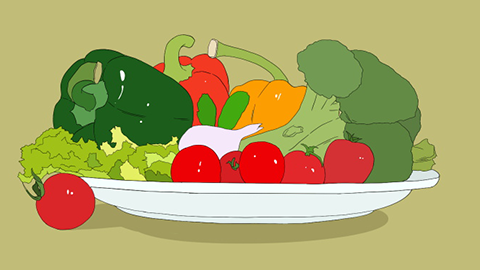
If tooth pain is severe, accompanied by gingival swelling, pain, or even bleeding, it is advisable to consume foods that help reduce internal heat, cool the blood, and relieve pain—such as milk, taro, shellfish, or fresh red, yellow, and green vegetables. During the day, pain may be relatively mild, but it often intensifies at night, accompanied by tooth mobility and a noticeable decrease in bite strength. At this stage, consuming foods that help clear heat, alleviate pain, nourish yin, and tonify the kidneys is recommended.
In daily life, patients must avoid alcohol and refrain from consuming excessively sour, spicy, cold, or hot foods. We hope this information proves helpful.


