


What should I do if I develop anal eczema during pregnancy?

In daily life, uncomfortable symptoms such as perianal eczema can cause significant psychological distress for patients. This is especially true when pruritus (itching) and other unpleasant symptoms occur—patients often feel helpless and reluctant to scratch, which can be extremely embarrassing. So, what should a pregnant woman do if she develops perianal eczema?
What to Do If You Develop Perianal Eczema During Pregnancy
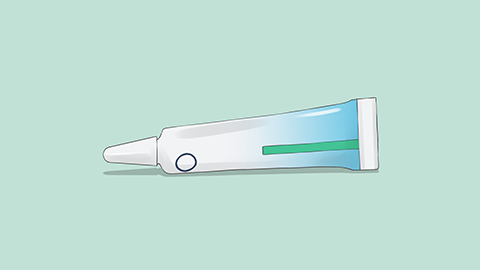
If a patient develops perianal eczema during pregnancy, she should adopt a light, bland diet and avoid spicy or stimulating foods—such as chili peppers, strong tea, and coffee. Increasing intake of fresh vegetables and fruits is recommended. It is also important to minimize external irritants, including vigorous scratching or scalding with hot water. Medication use in pregnant women must be approached with caution. If the rash is localized, topical treatments are preferred. During the acute phase of eczema—provided there is no oozing or ulceration—application of a mild topical corticosteroid ointment may be appropriate.
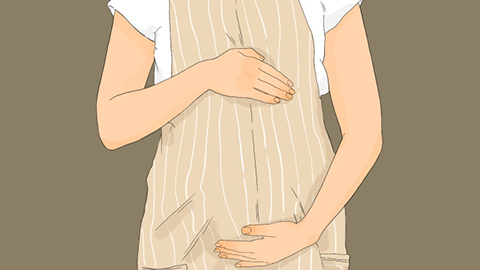
During pregnancy, topical corticosteroid ointments are generally recommended, while highly irritating preparations should be avoided. Additionally, maintaining dryness and adequate ventilation around the perianal area is essential—especially by frequently changing and washing undergarments, preferably choosing 100% cotton ones. Patients may also benefit from placing a soft, absorbent pad over the perianal region; this helps absorb any discharge and thereby reduces perianal itching.
Patients are advised to pay attention to dietary habits, avoiding spicy and irritating foods, and to take medications only under the guidance of a healthcare provider. We hope this information proves helpful.


