


Why Is the Area Around the Anus Itchy?

Many people encounter embarrassing situations in daily life—such as perianal itching. When this occurs, they often instinctively scratch the area with their hands. In public settings, such behavior is truly unseemly. To effectively relieve this symptom, it’s essential to understand its underlying causes. So why does perianal itching occur?
Why Does Perianal Itching Occur?
Perianal itching may stem from poor dietary habits. Regularly consuming highly stimulating foods—such as pepper and mustard—and frequently drinking alcohol or coffee can irritate the skin and contribute to dermatological conditions, including perianal pruritus. Hemorrhoids are extremely common in daily life, especially among office workers who sit for prolonged periods. Individuals with hemorrhoids face a relatively higher risk of developing multiple uncomfortable symptoms—not only pain but also perianal itching. To alleviate these symptoms, proper perianal hygiene and timely, targeted treatment are crucial. Tinea cruris (jock itch) is another relatively common condition, primarily caused by fungal infection around the anus. This fungal infection can directly trigger perianal itching. If left untreated, the fungus may spread to other parts of the body, causing unnecessary complications.
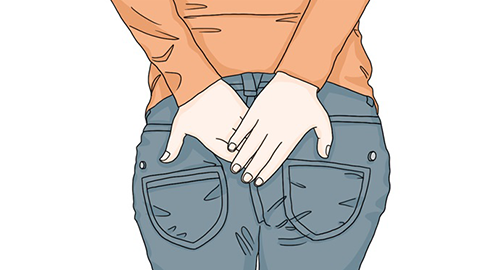
Perianal itching may also result from wearing tight-fitting trousers. Nowadays, many people wear such garments to accentuate their figure; however, these clothes offer poor breathability. After wearing them, the perianal area becomes enclosed and moist. Over time, bacterial growth may occur, leading to itching. Underwear should be washed and changed daily, as the genital area secretes numerous bodily fluids that foster bacterial proliferation. Failure to change underwear regularly can provoke perianal itching. Moreover, underwear should not only be replaced daily but also disinfected promptly.

We recommend that patients pay close attention to their diet in daily life—avoiding spicy, irritating foods—and ensure timely underwear replacement. We hope this information proves helpful to you.


