


What Causes Bad Breath and Dry Mouth?

Medication-related factors—such as rifampicin and antihypertensive drugs—may contribute to these symptoms. Patients experiencing such issues may benefit from adjusting their systemic disease management or switching to alternative medications. Maintaining good oral hygiene, regulating daily routines (e.g., avoiding late-night activities), and—particularly for young men—quitting smoking and alcohol consumption are also recommended. So, what causes halitosis (bad breath) and xerostomia (dry mouth)?
What Causes Halitosis and Xerostomia?
These symptoms may stem from oral inflammation—for instance, gingival swelling and pain, or pharyngitis triggered by “excess internal heat” (a traditional Chinese medicine concept), both of which can lead to dry mouth and bad breath. Internal organ dysfunction—especially disharmony between the spleen and stomach—may manifest as a thick, greasy tongue coating and similarly contribute to halitosis and xerostomia. If such symptoms occur, dietary adjustments are advised: avoid spicy, “heat-inducing” foods and instead consume more fresh vegetables and fruits. Sour fruits—such as hawthorn, plum, and lemon—can help stimulate salivary secretion, moisturize the oral cavity, and thereby alleviate dry mouth and halitosis. Indeed, numerous factors can underlie halitosis and xerostomia.
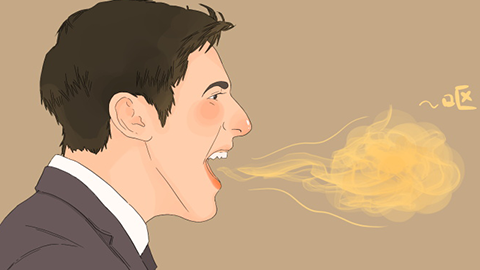
In general, most diseases causing halitosis are associated with gingival conditions and infections—and are closely linked to overall oral health. One cause of xerostomia is Sjögren’s syndrome, an autoimmune disorder requiring further evaluation and treatment by an immunology specialist. Halitosis and xerostomia are also common manifestations of diabetes.
In daily life, maintain a regular, balanced diet; avoid spicy and irritating foods, overeating, and irregular eating habits; and refrain from staying up late. We hope this information proves helpful.


