


What Causes Bad Breath in Children?

There are many causes of halitosis (bad breath). First, children often neglect brushing their teeth—or brush inadequately. Over time, bacteria in the mouth multiply, leading to halitosis. If this is the case, ensure your child brushes thoroughly and consistently. Second, pediatric digestive disorders and gastrointestinal dysfunction can also cause bad breath. So, what exactly causes halitosis in children?
What Causes Halitosis in Children?
Halitosis in children commonly results from poor oral hygiene, gingivitis, gastric disorders, and indigestion. Dental caries or food impaction may also contribute. Additionally, conditions such as sinusitis, maxillary sinusitis, and pharyngitis—along with dietary irregularities, food accumulation, and unhealthy lifestyle habits—can all lead to halitosis. Clinically, the causes of halitosis are diverse and not age-dependent. Affected children often experience diminished self-esteem and may avoid social interaction. In some cases, halitosis may even signal more serious underlying complications; naturally, many individuals prefer not to confront such issues—especially when their children suffer from halitosis, which frequently causes parental anxiety.
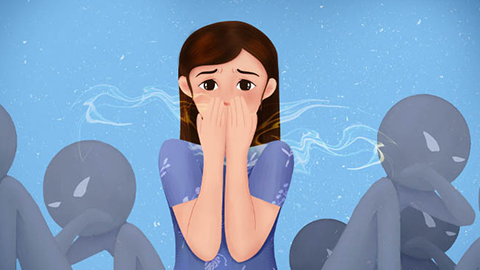
Halitosis in children stems from poor oral hygiene, gingivitis, gastric disease, and indigestion. When food residues decompose due to bacterial action, oral tissue necrosis may occur, further contributing to bad breath. In infants, common causes include impaired gastrointestinal function and indigestion. Consuming food contaminated with bacteria can trigger gastrointestinal inflammation, resulting in oral malodor and subsequent halitosis.
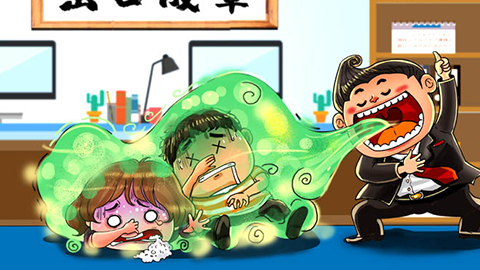
In daily life, maintain regular, balanced meals; avoid spicy, irritating, or overly rich foods; refrain from binge eating; and ensure adequate rest—avoiding late-night activities. We hope this information proves helpful.


