


What medications are used to treat chronic proctitis?

Chronic proctitis may develop when you frequently consume spicy, greasy, or cold foods, leading to repeated irritation of the intestinal mucosa and a decline in your body’s resistance. Patients commonly experience discomfort such as abdominal pain, bloating, and diarrhea. Prompt pharmacological treatment is essential; otherwise, prolonged diarrhea may result in dehydration. So, what medications are used for chronic proctitis?
Medications for Chronic Proctitis
Under a physician’s guidance, levofloxacin may be prescribed for chronic proctitis. This drug exhibits broad-spectrum antibacterial activity, particularly effective against Escherichia coli, Haemophilus influenzae, Staphylococcus aureus, and Streptococcus species. When chronic proctitis is present, levofloxacin helps reduce inflammation and alleviate disease symptoms. Norfloxacin is another commonly used antibiotic that demonstrates excellent efficacy against chronic proctitis caused by bacterial infection. However, it may cause mild gastrointestinal irritation; therefore, it is recommended to take it approximately 30 minutes after a meal. As norfloxacin may inhibit skeletal development in minors, it is contraindicated in children and adolescents.
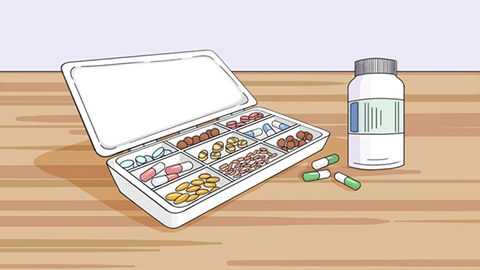
Amoxicillin—another option prescribed under medical supervision—is a penicillin-class antibiotic with potent antibacterial and anti-inflammatory properties. Chronic proctitis patients may use it appropriately under a physician’s direction to combat infection, reduce inflammation, and relieve symptoms. Bacillus licheniformis live bacterial capsules are also beneficial: they help regulate the gastrointestinal microbiota and offer preventive and therapeutic effects against both acute and chronic proctitis caused by bacterial or fungal infections. Patients with chronic proctitis may take these capsules as directed by their physician to alleviate symptoms.
Patients are strongly advised to take medications only under the guidance of a qualified physician and must avoid self-medication. We hope this information proves helpful to you.


