


What Causes Bad Breath?
Aug 08, 2022
Source: Cainiu Health

Dr. Zhang Liwen
Introduction
Bad breath can be caused by consuming pungent foods, undergoing puberty, or eating too little. Patients who frequently consume spicy, pungent foods—such as onions, garlic, and leeks—or who enjoy stinky tofu and century eggs are particularly prone to halitosis. Additionally, during puberty, hormonal fluctuations—especially unstable ovarian hormone secretion in adolescent girls—can contribute to bad breath, as ovarian function is closely linked to oral mucosal health.
Halitosis (bad breath) causes considerable inconvenience and embarrassment in daily life. As is widely known, every disease has its underlying cause—and halitosis is no exception. Research has shown that numerous factors can contribute to halitosis, significantly impacting individuals’ social lives. So, what are the causes of halitosis?
What Causes Halitosis?
Halitosis may result from consuming pungent or spicy foods, undergoing puberty, or eating insufficiently. Patients who frequently consume strongly flavored, spicy foods—such as onions, garlic, and leeks—or who enjoy fermented tofu and century eggs are particularly prone to developing halitosis. Additionally, during puberty, girls experience unstable ovarian hormone secretion; ovarian function is closely linked to oral mucosal health. When endocrine imbalance occurs, it impairs normal oral mucosal functions—including antimicrobial activity and self-repair capacity—thereby weakening the body’s resistance, causing oral dryness, and ultimately leading to halitosis.
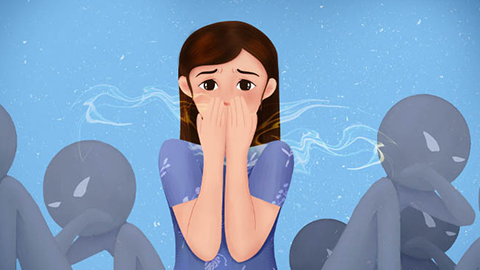
Endocrine imbalance and emotional instability can also trigger halitosis. During menstruation, women commonly experience hormonal fluctuations that reduce salivary secretion, creating an environment conducive to anaerobic bacterial proliferation. Furthermore, after entering menopause, women may develop menopausal syndrome, which lowers overall immunity and disrupts the normal functioning of various organs—including the oral cavity’s natural disinfecting mechanisms.
In daily life, maintaining a regular, balanced diet is essential: avoid spicy and irritating foods, refrain from overeating or binge eating, and ensure adequate rest by avoiding late-night activities. We hope this information proves helpful.



