


What foods should be eaten for chronic sigmoiditis and proctitis?

Although people’s living conditions continue to improve, increasing life stress and greater dietary variety have made gastrointestinal disorders increasingly common. Among these, chronic sigmoid colitis is one of the most frequently encountered conditions. So, what foods are recommended for patients with chronic sigmoid colitis and proctitis?
Recommended Foods for Chronic Sigmoid Colitis and Proctitis
In general, the diet for chronic sigmoid colitis and proctitis should consist primarily of bland, nutrient-rich, non-irritating foods. Patients are encouraged to consume nourishing porridges—such as millet congee—to support gastric health, while minimizing or avoiding raw, cold foods; leftover meals; and spicy dishes. Maintaining healthy lifestyle habits and regular daily routines is essential for individuals with chronic proctitis. Many such patients present symptoms of spleen deficiency. Prolonged illness may lead to spleen-yang deficiency, kidney deficiency, and night sweats. Traditional Chinese medicine (TCM) offers effective treatment options for chronic enteritis, helping alleviate psychological stress. Notably, patients with proctitis are especially sensitive to highly irritating foods—for instance, cold beverages can significantly disrupt gastrointestinal function. Therefore, individuals with proctitis must pay close attention to their diet and avoid raw, cold, or excessively hot foods.
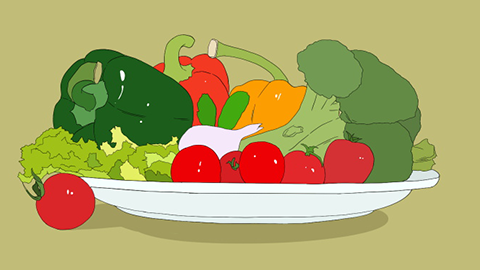
Chronic sigmoid colitis and proctitis commonly manifest with abdominal distension, diarrhea, mucus discharge, and bloody stools—requiring integrated dietary and pharmacological management. The diet should emphasize soft, easily digestible, nutrient-dense, and calorie-rich foods. It is advisable to eat smaller, more frequent meals and include moderate amounts of vitamin-rich fruits and vegetables—such as bananas, oranges, strawberries, and grapes. Dairy products like milk should be avoided; instead, patients may consume peanuts, walnuts, lean meat, eggs, and rice congee.

Patients are advised to cultivate sound lifestyle habits and adopt a balanced, rational diet—strictly avoiding spicy and irritating foods. We hope this information proves helpful.


