


How to resolve bad breath even after brushing teeth

In daily life and work—whether interacting with colleagues, friends, or family members—close conversation and communication are inevitable. At such times, concerns about one’s own or the other person’s halitosis (bad breath) can cause mutual embarrassment and discomfort. So, what should you do if bad breath persists even after brushing your teeth?
How to Address Persistent Halitosis After Brushing
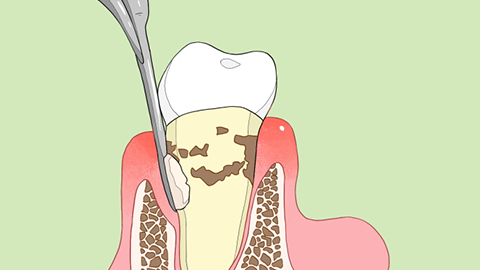
If bad breath remains despite regular toothbrushing, it is advisable to visit a dental clinic for professional teeth cleaning to thoroughly remove dental calculus (tartar). Subgingival (below-the-gumline) calculus may also be present and requires scaling and root planing. Additionally, a comprehensive oral examination should be performed. If dental caries (cavities) are detected, prompt restorative treatment is essential to prevent further progression. Maintain meticulous oral hygiene: brush teeth thoroughly twice daily, rinse your mouth after meals, and avoid eating anything after your evening brushing. Adopt a light, balanced diet and minimize consumption of pungent foods such as onions and garlic.
Persistent halitosis following toothbrushing may stem from gastrointestinal issues such as indigestion or severe gastroesophageal reflux (heartburn). In such cases, traditional Chinese medicine preparations like Huoxiang Qingwei Wan (Agastache Qi-Clearing Pills) and Jianwei Xiaoshi Pian (Digestive-Enhancing Tablets) may be recommended. Concurrently, adjust your diet: avoid spicy, “heat-inducing” foods and hard-to-digest items; increase water intake and consume more vegetables and fruits. Herbal infusions made from chrysanthemum, cassia seed (Cassia obtusifolia), and lotus leaf may help clear stomach heat.
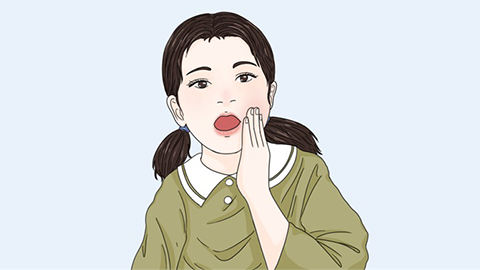
Chronic halitosis may also result from Helicobacter pylori infection. It is recommended to undergo a urea breath test at a hospital to screen for H. pylori. If infection is confirmed, targeted eradication therapy is necessary to eliminate both the bacteria and the associated halitosis. We hope this information proves helpful to you.


