


Why does bad breath occur as soon as I feel hungry?

Halitosis (bad breath) is a very common phenomenon in daily life. Many people have experienced it. There are numerous causes of halitosis, including poor oral hygiene, certain gastrointestinal disorders, and side effects of some medications. But why does halitosis occur specifically when one feels hungry?
Why does halitosis occur when one feels hungry?
Halitosis triggered by hunger may stem from oral diseases, gastrointestinal disorders, or other underlying conditions. For instance, going to bed immediately after eating without brushing teeth allows bacteria to proliferate in the mouth over time. Individuals with pre-existing oral diseases may experience bacterial breakdown of oral debris, generating foul-smelling compounds that cause halitosis. Therefore, maintaining good oral hygiene is essential.
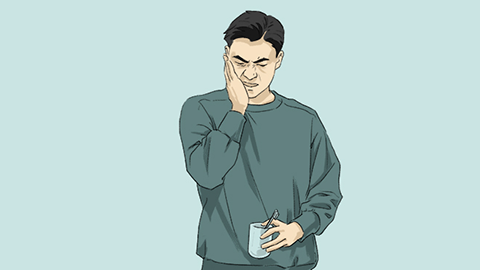
This occurs because bacterial metabolism produces volatile, malodorous substances—leading directly to halitosis. Addressing and treating the underlying condition usually resolves the halitosis. Moreover, neglecting oral hygiene or inadequate toothbrushing leaves food residues and other debris on teeth and oral surfaces. Over time, these residues undergo bacterial fermentation and decomposition, producing compounds such as indole and amines—both notorious for their unpleasant odor, commonly referred to as “oral odor.”
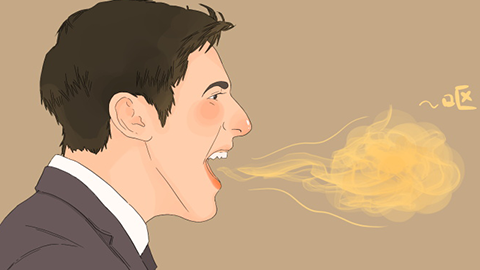
In daily life, cultivating healthy lifestyle and dietary habits is crucial. We hope this information proves helpful to you.


