


How to Treat Halitosis Caused by Spleen and Stomach Dysfunction

Today, people place great emphasis on their health. However, due to various factors, health can be compromised, leading the body into a suboptimal or “sub-health” state. For instance, some individuals constantly experience oral malodor. So, how is halitosis caused by spleen and stomach dysfunction treated?
How to Treat Halitosis Caused by Spleen and Stomach Dysfunction
Treatment options for halitosis stemming from spleen and stomach dysfunction include pharmacological regulation, anti-inflammatory medications, and improved oral hygiene. Generally, after taking medications that promote gastrointestinal digestion and motility—such as domperidone or mosapride—digestive function and gastric emptying improve, effectively alleviating the accumulation of undigested food residues. Some patients may also have Helicobacter pylori infection; in such cases, eradication therapy typically involves a combination of two antibiotics, a proton pump inhibitor (PPI), and a bismuth compound. Upon completion of this eradication regimen, halitosis often improves significantly. Maintaining good oral hygiene is essential: brush teeth thoroughly twice daily (morning and evening) and rinse the mouth promptly after each meal.
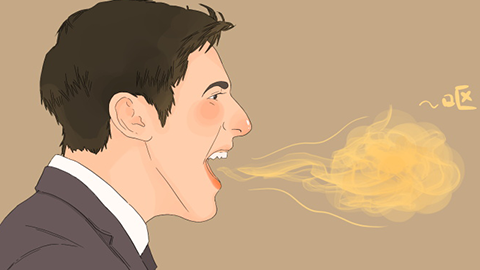
Dietary choices also play a crucial role in preventing halitosis. Regular consumption of strongly flavored, spicy, or sour foods can exacerbate oral odor. These foods possess intense aromas that linger in the oral cavity and are difficult to eliminate, thereby promoting halitosis. Moreover, such foods may provoke excessive internal heat (“fire”) in the body—a concept in Traditional Chinese Medicine—which further contributes to bad breath. To prevent halitosis, it is advisable to consume more vitamin-rich foods. Vitamins help prevent periodontal disease and supply essential nutrients to support oral health.

In daily life, cultivating healthy lifestyle and dietary habits is vital. We hope this information proves helpful to you.


