


What Causes Yellow Tongue Coating and Bad Breath?

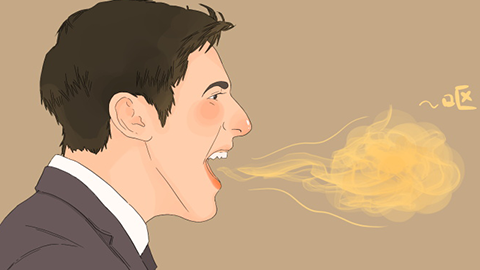
When diagnosing patients, Traditional Chinese Medicine (TCM) practitioners examine the tongue coating to assess the patient’s condition. A healthy individual typically has a thin, white coating on the tongue. If the coating becomes thicker and yellowish, it indicates an underlying pathological condition—the thicker and more yellow the coating, the more severe the illness. So, what causes halitosis (bad breath) accompanied by a yellow tongue coating?
Causes of Halitosis with a Yellow Tongue Coating
This presentation is primarily attributed to internal heat. Excess stomach fire can consume body fluids, leading to symptoms such as bitter taste in the mouth and halitosis, along with dry mouth and constipation. Some individuals may also exhibit irritability and quick temper—indicative of liver qi stagnation. When liver qi becomes stagnant, it tends to transform into fire; this “fire pathogen” may then ascend and invade the stomach, resulting in bitter taste, halitosis, and a yellow tongue coating. Concurrently, patients may experience low back pain and a wiry-slippery pulse. Additionally, impaired regulatory function of the spleen and stomach—particularly due to damp-heat—can lead to accumulation of dampness within the body. Prolonged retention of dampness may further transform into heat, manifesting as bitter taste, halitosis, and a yellow tongue coating.
Dietary adjustment is recommended, as it can effectively alleviate these symptoms. During this period, avoid cold, greasy, spicy, and otherwise irritating foods. Instead, increase intake of green vegetables—such as cabbage and radish—which help cleanse the gastrointestinal tract rapidly, improve oral microbial balance, and relieve both yellow tongue coating and halitosis.

If the patient experiences swollen and painful gums, gentle brushing is advised to prevent worsening of tissue damage. In cases of severe swelling and pain, rinsing the mouth with warm saline solution is preferable to toothbrushing. We hope this information proves helpful to you.


