


How to manage bad breath and thick, yellow tongue coating

In daily life, some individuals may develop a thick, yellow tongue coating, which often indicates a suboptimal health state—commonly referred to as “sub-health.” A thick, yellow tongue coating may result from improper dietary habits; frequent consumption of spicy and greasy foods can lead to excessive internal heat. Additionally, it may be associated with indigestion. If left untreated over time, indigestion can adversely affect overall health. So, how should one manage halitosis (bad breath) accompanied by a thick, yellow tongue coating?
How to Manage Halitosis with a Thick, Yellow Tongue Coating
Given the presence of a thick, yellow tongue coating and halitosis, maintaining rigorous oral hygiene is essential—regular toothbrushing and mouth rinsing are strongly recommended. If an underlying oral disease is present, prompt and active treatment is necessary. Furthermore, digestive-supportive medications may be beneficial—for instance, prokinetic agents such as itopride or mosapride, which enhance gastrointestinal motility. Digestive enzyme supplements—such as compound digestive enzymes—may also be added to help alleviate symptoms of indigestion.
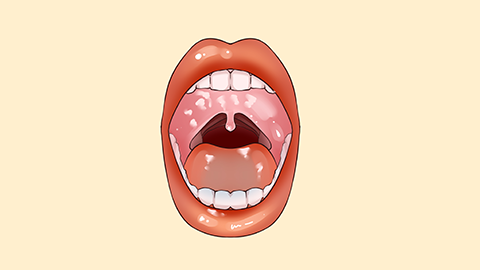
In many cases, a thick, yellow tongue coating and halitosis stem from indigestion. Such a coating reflects disharmony between the spleen and stomach, along with impaired digestion. Halitosis, however, can arise from multiple causes: besides indigestion, individuals with certain respiratory conditions—such as chronic cough and phlegm production—may also experience bad breath, since the respiratory tract and oral cavity are anatomically interconnected. Another common cause involves long-term smokers, who frequently suffer from oral diseases—including gingivitis, periodontitis, and oral ulcers—which in turn contribute to oral malodor and alterations in tongue coating.

In everyday life, self-care is vital: drink plenty of water and avoid overeating or consuming meals too rapidly. We hope this information proves helpful to you.


