


How many days after menstruation ends does ovulation occur?

If a woman is planning to conceive, scheduling intercourse during her ovulation period can help increase the chances of pregnancy. So, how many days after menstruation ends does ovulation occur?
How many days after menstruation ends does ovulation occur?
To calculate the ovulation date, count backward 14 days from the anticipated start date of the next menstrual period; ovulation typically occurs on that day or within 1–2 days before or after it. Importantly, ovulation cannot be determined based solely on the date menstruation ends. Many people mistakenly assume ovulation occurs exactly 14 days after the first day of menstrual bleeding. In reality, it is calculated by counting backward 14 days from the expected onset of the next period. For example, in a regular 28-day cycle, if menstruation begins on March 10, the next period would be expected around April 10; thus, ovulation would likely occur around March 27 (14 days before April 10). If a woman’s ovulation is regular, her menstrual cycles tend to be predictable. Conversely, absent or irregular ovulation often leads to irregular periods. Moreover, women with consistently regular menstrual cycles generally ovulate reliably.
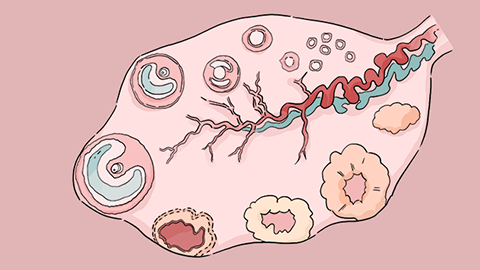
During pregnancy preparation, maintaining good overall health is essential. During menstruation, focus on balanced nutrition—consume foods rich in nutrients and high-quality protein, and avoid cold or hard-to-digest foods. Women preparing for pregnancy should emphasize dietary balance and variety, eating plenty of fresh fruits and vegetables while ensuring adequate intake of high-quality protein. Prior to conception, women are advised to undergo comprehensive health examinations, including complete blood count (CBC), biochemical profile, immunological tests, color Doppler ultrasound, and testing for *Mycoplasma* and *Chlamydia*. Any abnormal findings should be promptly evaluated and managed.
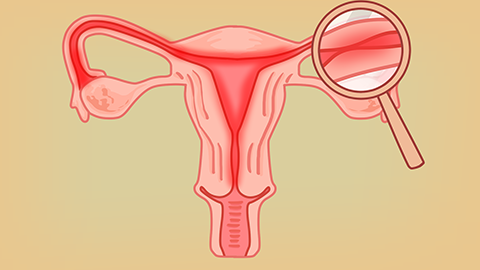
Women preparing for pregnancy should also engage in regular physical exercise. Consistent, moderate exercise helps strengthen immunity and supports optimal fetal growth and development later in pregnancy. I hope this information is helpful to you—wishing you excellent health and joyful well-being!


