


How to Differentiate Between Yin Deficiency and Yang Deficiency

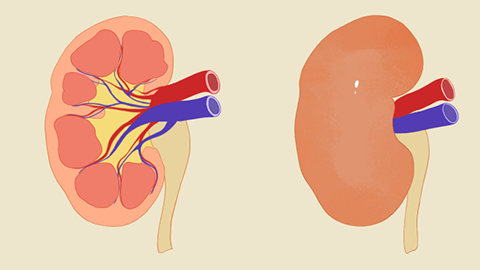
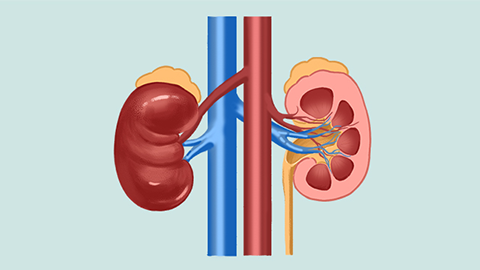
The health of the kidneys directly influences the abundance or deficiency of essence (Jing), Qi, and blood. Once kidney deficiency occurs, the body manifests a series of symptoms. Particularly in men, poor kidney function often correlates with diminished sexual function. Kidney deficiency is further classified into two primary patterns: Kidney Yang Deficiency and Kidney Yin Deficiency. So how can one distinguish between Yin Deficiency and Yang Deficiency?
How to Differentiate Between Yin Deficiency and Yang Deficiency
Differentiation between Yang Deficiency and Yin Deficiency is typically based on etiology. Yang Deficiency corresponds to a “cold” pattern, primarily resulting from insufficient Yang Qi to warm and nourish the body’s systems and organs—leading to manifestations of deficient cold across multiple organ systems. In contrast, Yin Deficiency corresponds to a “heat” pattern, mainly caused by insufficiency of body fluids (Jin-Ye), which fails to anchor and moderate Yang Qi, thereby producing clinical signs dominated by deficient heat. Differentiation may also rely on characteristic clinical presentations: Key symptoms of Yang Deficiency include aversion to cold, male sexual dysfunction (e.g., impotence, premature ejaculation), menstrual irregularities in women, delayed growth and development, increased bowel movement frequency, loose stools, difficulty urinating, and copious, pale, clear urine. Clinical manifestations of Yin Deficiency include cyanotic lips, sore throat, flushed cheeks, low-grade fever with irritability, night sweats, and soreness or weakness in the lower back and knees.
Generally, patients with Yin Deficiency experience symptoms such as restlessness in the palms, soles, and chest (“five-center heat”), flushed cheeks, night sweats, dry mouth and throat, or other Yin-deficiency–related manifestations. Patients with Yang Deficiency, conversely, commonly present with cold intolerance, cold pain in the lower back and knees, erectile dysfunction or premature ejaculation, scanty menstruation, or dysmenorrhea. However, some patients exhibit both Yin and Yang Deficiency simultaneously—manifesting paradoxical symptoms such as alternating chills and fever—causing significant discomfort.
Patients are advised to cultivate healthy lifestyle habits and maintain a balanced diet, avoiding spicy and stimulating foods. We hope this information proves helpful.


