


How to Differentiate Between Yin Deficiency and Yang Deficiency
Aug 08, 2022
Source: Cainiu Health

Dr. He Haochen
Introduction
The distinction between Yin deficiency and Yang deficiency is primarily reflected in the patient’s symptoms, tongue appearance, and pulse characteristics. Yin deficiency refers to an insufficiency of the body’s Yin fluids, resulting in failure to anchor Yang Qi and to nourish tissues adequately. Its main manifestations include dry throat, dry mouth, heat sensation in the limbs, tidal fever, night sweats, and a thin pulse. Treatment should focus on nourishing Yin. In contrast, Yang deficiency primarily presents as a pattern of deficiency-cold, with chief manifestations including coldness and chilliness of the limbs.
The health of the kidneys directly influences the abundance or deficiency of essence (Jing), Qi, and blood. Once kidney deficiency occurs, the body manifests a series of symptoms; particularly in men, poor kidney function often correlates with diminished sexual function. Kidney deficiency is further categorized into Kidney-Yang Deficiency and Kidney-Yin Deficiency syndromes. So how can one distinguish between Yin Deficiency and Yang Deficiency?
How to Differentiate Yin Deficiency from Yang Deficiency
The distinction between Yin Deficiency and Yang Deficiency primarily lies in the patient’s symptoms, tongue appearance, and pulse characteristics. Yin Deficiency refers to insufficient Yin fluids in the body, resulting in inadequate restraint of Yang and insufficient nourishment of tissues. Its main manifestations include dry throat, dry mouth, heat sensation in the limbs, tidal fever, night sweats, and a thin, rapid pulse. Treatment focuses primarily on nourishing Yin. In contrast, Yang Deficiency manifests predominantly as a Cold-Deficiency syndrome, characterized by cold extremities, cold pain in the lower back and knees, bland taste in the mouth, absence of thirst—or preference for warm beverages—spontaneous sweating, loose stools, frequent and copious pale urine, fatigue, lassitude, and a deep, thin, weak pulse.
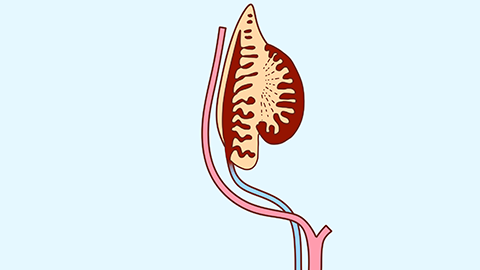
Yin Deficiency syndrome is mainly characterized by weight loss, dry mouth, dry nose, dry throat, and heat sensation in the hands and feet. Lung-Yin Deficiency, Spleen-Yin Deficiency, Kidney-Yin Deficiency, and Liver-Yin Deficiency all fall under the broader category of Yin Deficiency. Yang Deficiency syndrome is primarily marked by aversion to cold, bland taste, absence of thirst, pale-colored urine, frequent urination, increased urine volume, generalized weakness, and fatigue. Symptoms of Yin Deficiency tend to worsen during winter. Spleen-Yang Deficiency, Kidney-Yang Deficiency, and Heart-Yang Deficiency are all subtypes of Yang Deficiency.

Patients are advised to cultivate healthy lifestyle habits and maintain a balanced diet, avoiding spicy and stimulating foods. We hope this information proves helpful to you.


