


Causes of Orthostatic Hypotension

Orthostatic hypotension is primarily classified into secondary hypotension and acute (sudden-onset) hypotension. Most cases of acute orthostatic hypotension result from autonomic nervous system dysfunction. Upon standing, individuals may experience no obvious symptoms—or only mild manifestations such as postural dizziness, blurred vision, or lightheadedness. In severe cases, syncope may occur. So, what causes orthostatic hypotension?
Causes of Orthostatic Hypotension
Orthostatic hypotension may arise from various underlying conditions, including cardiac disease, medication side effects, malnutrition due to prolonged bed rest, or endocrine disorders. It is more prevalent among older adults, as aging leads to progressive arterial stiffening and a gradual reduction in elastic fibers within large vessels—resulting in elevated systolic blood pressure. Chronic hypertension further impairs the sensitivity of baroreceptors. Additionally, elderly individuals exhibit reduced tolerance to hypovolemia, which may also be associated with impaired ventricular diastolic filling.
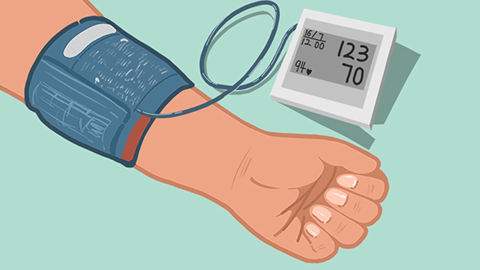
Avoid prolonged standing in hot, humid, or oxygen-deficient environments to reduce the risk of developing this condition. Asymptomatic patients with mild orthostatic hypotension typically do not require pharmacologic treatment. However, for severe cases accompanied by prominent symptoms, active intervention is essential—not only to alleviate symptoms and improve quality of life but also to prevent serious complications such as falls or injury. First-line pharmacologic treatments include fludrocortisone and midodrine. Fludrocortisone enhances renal sodium reabsorption, thereby increasing intravascular volume.

In daily life, patients may benefit from consuming foods higher in salt and cholesterol. We hope this information proves helpful.


