


Why Can’t I Get Pregnant Even Though My Menstruation Is Normal?

In daily life, many women with regular menstrual cycles struggle to conceive. So why is it that having normal menstruation does not guarantee pregnancy?
Why Can’t Women with Regular Menstruation Conceive?
Even with regular menstruation, infertility may result from several factors: 1. Anovulation: Failure to ovulate prevents conception. 2. Tubal factors: Impaired fallopian tube function (e.g., tubal obstruction or hydrosalpinx) and other anatomical or functional abnormalities. 3. Uterine abnormalities: Structural anomalies—including congenital malformations—can impair implantation or sustain pregnancy. 4. Endometrial receptivity: Suboptimal endometrial thickness, blood flow, or nutritional status may hinder embryo implantation. 5. Immunological factors: Presence of antisperm antibodies, anti-zinc ion antibodies, or other immune mediators may interfere with sperm-egg interaction, sperm transport into the uterus, or embryo implantation—leading to fertilization failure or implantation disorders.Thus, even women with regular menses may face infertility risks. Clinically, infertility is defined as the inability to achieve pregnancy after at least 12 months of unprotected intercourse.
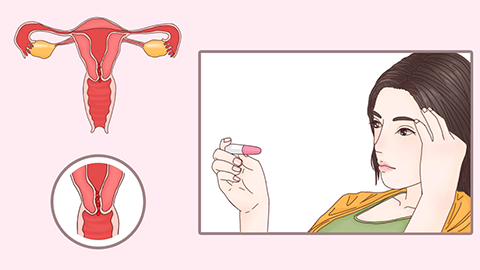
Causes of infertility are broadly categorized as female-related, male-related, or unexplained. Female factors commonly include pelvic conditions such as tubal-pelvic adhesions, chronic pelvic inflammatory disease and its sequelae, cervical incompetence or pathology, endometriosis, and even congenital uterine anomalies—all of which may coexist with regular menstruation. Endocrine disorders represent another major category; however, these typically manifest with menstrual irregularities. Infertility is further classified as primary or secondary: primary infertility refers to failure to conceive in women who have never been pregnant despite ≥12 months of unprotected intercourse; secondary infertility applies to those who previously conceived but have failed to do so again for ≥12 consecutive months despite continued unprotected intercourse.
Individuals experiencing infertility should seek timely medical evaluation and treatment. I hope this response has been helpful. Wishing you optimal health and well-being!


