


Can eating celery lower blood pressure in patients with hypertension?

Hypertension is primarily classified into two types: primary (essential) hypertension and secondary hypertension. Secondary hypertension results from underlying medical conditions, whereas the exact cause of primary hypertension remains unclear. Current understanding suggests that primary hypertension is associated with genetic factors, environmental influences, dietary habits, and unhealthy lifestyle behaviors.
Can eating celery help lower blood pressure in hypertensive patients?
Yes, consuming celery may assist in lowering blood pressure in individuals with hypertension. Hypertensive patients can moderately increase their intake of celery, as it helps soften blood vessels, reduce blood lipid levels, and provides essential vitamins required by the body—thus playing a supportive role in blood pressure management through diet. Therefore, hypertensive patients are encouraged to consume more vegetables such as celery, leeks, and olives, which are rich in dietary fiber and beneficial for blood pressure control. For mild hypertension, effective blood pressure management requires a low-salt, low-fat diet; weight control; regular physical exercise; and increased consumption of fresh vegetables and fruits—along with overall lifestyle modifications through dietary regulation.

However, if blood pressure is significantly elevated above normal values, antihypertensive medications should be combined with the aforementioned non-pharmacological measures to achieve adequate blood pressure reduction. If blood pressure remains persistently elevated beyond normal ranges, accompanied by symptoms of discomfort, and fails to respond adequately to dietary interventions alone, patients should seek evaluation at a specialized medical facility to screen for hypertension-related complications. Subsequently, an individualized antihypertensive treatment plan should be formulated.
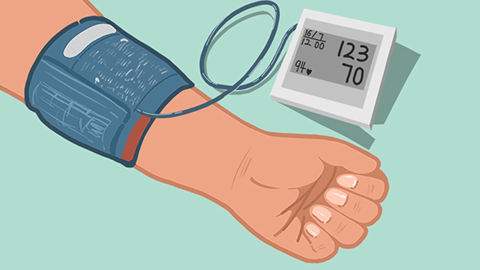
In daily life, patients should maintain a positive mental outlook, actively cooperate with physicians during treatment, take prescribed medications regularly and in correct dosages, and pay attention to routine self-care—thereby facilitating prompt improvement of their condition. We hope this response has been helpful to you.


