


Can pharyngitis cause halitosis?
Aug 08, 2022
Source: Cainiu Health

Dr. Zhang Liwen
Introduction
Pharyngitis can cause halitosis. There are numerous causes of halitosis, with the primary underlying conditions including dental calculus and gingival bleeding in the oral cavity, pharyngitis, gastritis, gastrointestinal inflammation, and indigestion. In patients with pharyngitis—particularly those with chronic pharyngitis—secretions on the pharyngeal surface and residual food particles tend to accumulate; this mixture undergoes fermentation, releasing foul-smelling gases such as sulfur dioxide and hydrogen sulfide.
Many people today suffer from pharyngitis, a condition that can cause symptoms such as sore throat, coughing, and expectoration of sputum. It may also present with other manifestations that require accurate identification. Some individuals consistently experience halitosis (bad breath), occasionally feel throat pain, or even develop coughing. They suspect they may have pharyngitis. So, can pharyngitis cause halitosis?
Can Pharyngitis Cause Halitosis?
Yes, pharyngitis can cause halitosis. Halitosis has numerous potential causes, with the most common including dental calculus and gingival bleeding, pharyngitis, gastritis, gastrointestinal inflammation, and indigestion. In patients with pharyngitis—especially those with chronic pharyngitis—secretions and food debris tend to accumulate on the surface of the pharynx. Over time, these accumulated substances undergo fermentation, releasing foul-smelling gases such as sulfur dioxide and hydrogen sulfide. This situation requires prompt, targeted treatment, including the use of appropriate, sensitive antibiotics to effectively control pharyngeal inflammation.

Patients with pharyngitis should maintain a regular, balanced diet while minimizing intake of spicy or irritating foods to reduce accumulation of secretions and food residue in the throat. Regular rinsing with normal saline or medical mouthwash is also recommended. Additionally, consultation with dentists and gastroenterologists is advised to rule out oral or gastrointestinal disorders as potential causes of halitosis. To address halitosis specifically caused by pharyngitis, antimicrobial and anti-inflammatory medications may be prescribed, thereby effectively improving the underlying condition. As pharyngitis symptoms subside, halitosis will gradually resolve.
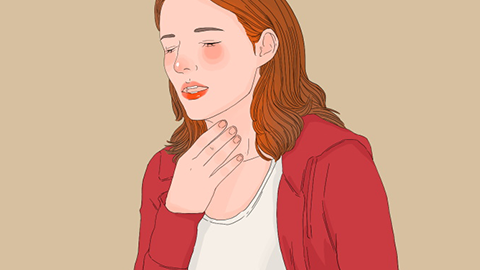
For individuals experiencing halitosis secondary to pharyngitis, maintaining good oral hygiene is equally important. Frequent rinsing with normal saline or diluted salt water is recommended to minimize bacterial adhesion. We hope this information proves helpful.


