


Is a blood pressure reading of 180 mmHg severe?

Individuals with hypertension should engage in regular physical activity, as this effectively promotes systemic blood circulation and helps control blood pressure. If any concerns arise, patients should seek evaluation at a reputable hospital and initiate appropriate interventions promptly. But how serious is a blood pressure reading of 180?
How Serious Is a Blood Pressure Reading of 180?
If a hypertensive patient’s systolic blood pressure reaches 180 mmHg, this corresponds to Stage 3 (severe) hypertension—a clinically significant and relatively severe level. When additional cardiovascular risk factors are present, the patient is classified as high-risk or very high-risk. Thus, according to the classification and risk stratification guidelines for hypertension, a systolic pressure of 180 mmHg falls within the severe range. Immediate pharmacologic treatment is strongly recommended, with prompt efforts to bring blood pressure down to target levels. Prolonged exposure to such elevated pressures significantly increases the risk of damage to vital target organs—including the heart, brain, and kidneys—and may trigger vascular complications such as ischemic stroke, intracerebral hemorrhage, angina pectoris, and coronary artery disease.

Additionally, renal function may be compromised, leading to progressive decline in kidney function. Peripheral arterial atherosclerosis may also advance rapidly. A systolic blood pressure of 180 mmHg constitutes severe (grade 3) hypertension. Without timely and effective treatment, such hypertension places patients at high risk for life-threatening conditions including hypertensive crisis, hypertensive encephalopathy, and intracerebral hemorrhage.
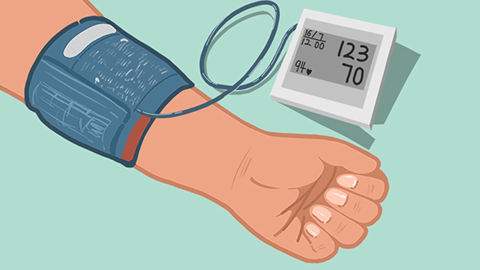
Chronic elevation of blood pressure to this level may gradually cause renal injury and proteinuria, potentially culminating in end-stage renal disease and uremia. It may also precipitate myocardial infarction, blindness, and heart failure. We hope this information proves helpful.


