


What does it mean when blood pressure readings show high systolic but low diastolic pressure?

Although hypotension and hypertension are not classified as diseases per se, they may result from underlying medical conditions and can cause symptoms such as dizziness, mental fatigue, difficulty concentrating, syncope, or even shock—potentially leading to further complications. Therefore, gaining a comprehensive understanding of these conditions is essential for early detection and appropriate management. But what exactly does “hypertension without hypotension” mean?
What Does “Hypertension Without Hypotension” Mean?
“Hypertension without hypotension” refers to a condition in which blood pressure rises chronically due to prolonged, repeated environmental influences. In cases of mild hypertension—defined as diastolic pressure between 90–99 mmHg—lifestyle modifications alone may suffice to improve blood pressure control. These include adopting a low-salt, low-fat diet; avoiding tobacco and excessive alcohol consumption; engaging in regular physical activity; and maintaining a healthy body weight. Most individuals with mild hypertension can normalize their blood pressure through such lifestyle adjustments. However, if hypertension reaches Stage 2 or higher (i.e., systolic ≥160 mmHg and/or diastolic ≥100 mmHg), lifestyle changes alone are often insufficient to achieve adequate blood pressure control. In such cases, long-term antihypertensive pharmacotherapy is typically required.

If elevated blood pressure arises from the same underlying cause as low blood pressure—for example, excessive salt retention—the individual should minimize intake of high-sodium foods and increase physical activity to promote sodium excretion through sweat. It is also advisable to assess renal function and serum electrolyte levels. Numerous other factors may contribute to concurrent or alternating episodes of hypotension and hypertension, including significant emotional fluctuations, high levels of stress related to work or daily life, chronic sleep deprivation, or severe physical exhaustion. When such factors are implicated, targeted lifestyle adjustments are usually sufficient for effective management.
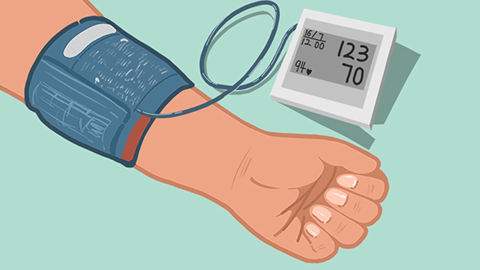
In daily life, cultivating healthy habits—both in terms of lifestyle and diet—is crucial. We hope this explanation proves helpful to you.


