


What Should Elderly People with Hypotension and Dizziness Eat?

Due to various life stresses and other factors in daily life, many elderly individuals experience a range of physical discomforts, such as hypotension (low blood pressure) and dizziness. Although these symptoms are generally not life-threatening, timely intervention is still essential to restore health promptly. So, what should elderly individuals with hypotension and dizziness eat?
What Should Elderly Individuals with Hypotension and Dizziness Eat?
Elderly individuals experiencing hypotension-related dizziness may benefit from consuming foods rich in protein, high-calorie foods, and foods that tonify qi (vital energy) and nourish blood. Protein-rich options include fish, eggs, and milk. High-calorie foods—such as fatty meats—may also be included in moderation. Additionally, qi- and blood-tonifying foods—such as red dates (jujubes) and animal livers—are recommended. These dietary choices help replenish essential nutrients, support blood pressure elevation, and alleviate dizziness. For dietary therapy, meals should be moderate in portion size; overeating may reduce venous return and thus worsen hypotension.
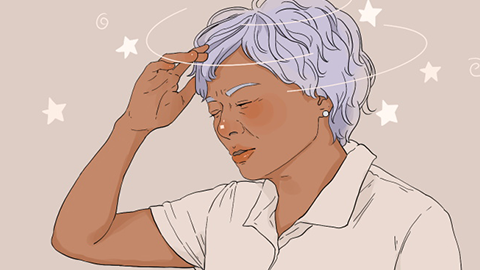
If symptoms such as hypotension and dizziness occur, gentle massage may help relieve or even eliminate them. Carefully apply finger pressure to the Baihui (GV20) and Tianzhu (BL10) acupoints. Massaging these points effectively improves hypotension-associated dizziness. Stimulating the Baihui point helps alleviate dizziness caused by low blood pressure, while the Tianzhu point promotes circulation in both the head and the body.
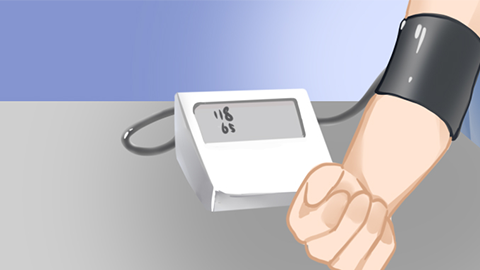
In daily life, patients should maintain a positive mindset, actively cooperate with their physicians’ treatment plans, and pay attention to routine self-care—thereby facilitating faster symptom improvement. We hope this information proves helpful.


