


Which is more serious: anemia or hypotension?

Many individuals suffer from hypotension due to malnutrition. In fact, if hypotension is severe, it can significantly impair daily life and academic performance—and is also highly detrimental to work productivity. Neither hypotension nor anemia can be objectively ranked in terms of severity; therefore, prompt medical intervention is essential upon diagnosis of hypotension. Since numerous factors can cause hypotension, understanding its underlying causes is crucial. So—how do anemia and hypotension compare in terms of severity?
Which is more serious: anemia or hypotension?
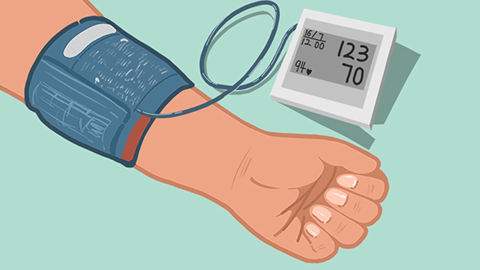
Both hypotension and anemia can lead to loss of consciousness and are equally serious—neither condition is inherently “more severe” than the other. Hypotension refers to abnormally low systemic arterial blood pressure. Based on etiology and clinical presentation, it can be classified as acute hypotension. During acute episodes, vital organs—including the heart, brain, and kidneys—often experience ischemia, resulting in symptoms such as dizziness, visual dimming (e.g., blurred or darkened vision), generalized weakness, and oliguria. Severe hypotension may progress to syncope or shock, posing an immediate threat to life.
Anemia is a common clinical condition characterized by a reduction in peripheral blood red blood cell count—or hemoglobin concentration—below the normal lower limit. The severity of symptoms depends on three key factors: the rate at which anemia develops, the degree of hemoglobin depletion, and the body’s compensatory capacity. Rapid-onset, severe anemia—especially when compensatory mechanisms are inadequate—can be fatal.
In daily life, maintain a regular, balanced diet; avoid spicy, irritating foods; refrain from overeating or binge eating; and ensure adequate sleep—avoid staying up late. We hope this information proves helpful.


