


How to Lower High Blood Pressure

Both excessively high and low blood pressure can adversely affect the body. Hypertension, in particular, is associated with dietary habits, obesity, and psychological factors. It can lead to numerous complications, posing significant health risks to affected individuals. So, how can one lower elevated blood pressure?
How to Lower High Blood Pressure
There are two primary approaches to lowering high blood pressure: non-pharmacological (lifestyle) interventions and pharmacological (drug) therapy. Non-pharmacological methods include dietary control, regular moderate exercise, emotional regulation, avoidance of high-sugar, high-fat, and high-cholesterol foods, adequate rest, and prevention of fatigue. If blood pressure remains inadequately controlled despite these lifestyle modifications, pharmacological treatment becomes necessary.

When initiating antihypertensive drug therapy, it is essential first to identify the underlying cause of the patient’s primary (essential) hypertension. For patients requiring rapid, short-term blood pressure reduction, fast-acting antihypertensive agents—such as mannitol—may be used. Mannitol helps lower blood pressure, reduce intracranial pressure, and promote diuresis. These medications are commonly employed in hypertension management and not only help control blood pressure but also mitigate complications such as hypertensive nephropathy, heart failure, and retinopathy, which may develop with long-standing uncontrolled hypertension.
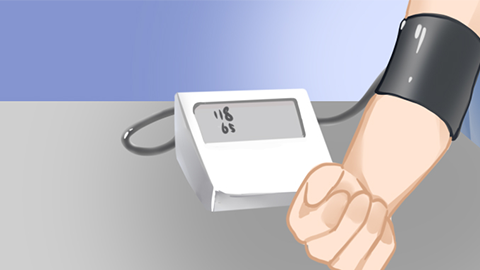
In daily life, cultivating healthy lifestyle and dietary habits is crucial. We hope this information proves helpful to you.


