


What Should You Eat for Anemia and Low Blood Pressure?

Some individuals may experience low blood pressure (hypotension) in daily life due to poor dietary habits or unhealthy lifestyle practices. This condition is very common. Although hypotension is generally less harmful than hypertension, it can still interfere with normal daily functioning and potentially contribute to other health issues. So, what should individuals with anemia-related hypotension eat?
What Should Individuals with Anemia-Related Hypotension Eat?
Individuals with anemia-related hypotension benefit from consuming foods high in cholesterol and iron-rich, blood-nourishing foods. Low blood pressure may occur in patients with certain cardiac conditions—for example, myocardial infarction or aortic valve stenosis—which impair normal cardiac circulation. Disease-induced stress reduces the heart’s stroke volume, leading to disordered systemic circulation and consequent hypotension. Peripheral vasodilation can also cause low blood pressure.
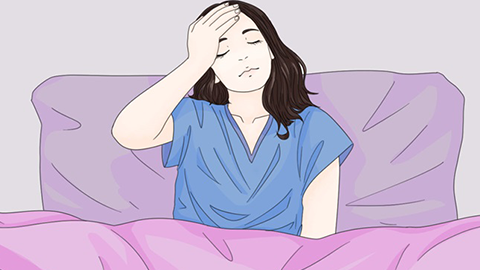
Dietary recommendations for hypotension are essentially the opposite of those for hypertension. In daily life, individuals with hypotension should consume more sodium- and cholesterol-rich foods; daily salt intake should reach approximately 12 grams. Additionally, they should increase intake of protein-rich foods such as eggs, fish roe, animal livers, and butter—these help elevate serum cholesterol levels, enhance arterial tone, and alleviate hypotension. Patients should also moderately consume blood-tonifying foods. Common examples include jujubes (Chinese dates), lotus seeds, longan arils, and mulberries.
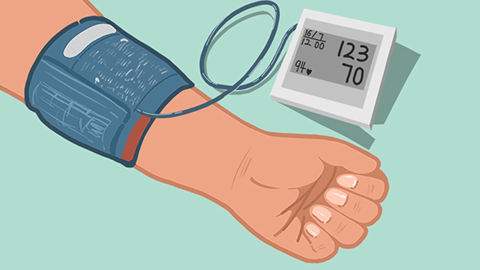
In daily life, maintain regular, balanced meals; avoid spicy, stimulating, or overly rich foods, and refrain from binge eating or staying up late. We hope this information proves helpful.


