


Treatment of Arteriosclerosis in the Elderly

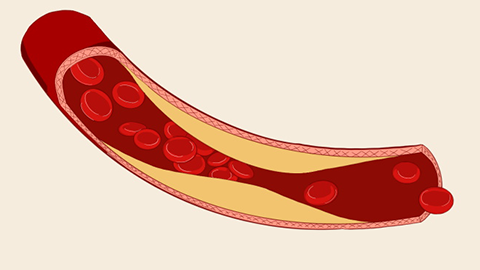
The incidence of arteriosclerosis is relatively high among the elderly. This is because, as people age, the arterial walls gradually thicken and stiffen, losing elasticity, which leads to narrowing of the arterial lumen and ultimately results in arteriosclerosis. Arteriosclerosis can damage vital organs—including the heart and kidneys—and therefore requires timely treatment. So, how is arteriosclerosis treated in older adults?
Treatment of Arteriosclerosis in the Elderly
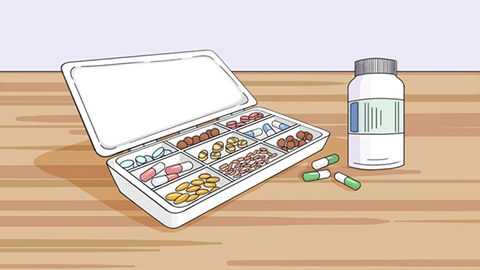
Arteriosclerosis in the elderly can be managed with medication. Cholesterol-lowering drugs—primarily statins such as simvastatin and atorvastatin—are commonly prescribed. These agents not only reduce blood lipid levels but also stabilize atherosclerotic plaques, thereby preventing further progression of arteriosclerosis. Statins should be taken long-term. Additionally, low-dose aspirin may be used for antiplatelet therapy to prevent thrombosis and subsequent vascular occlusion. The choice of medication depends on the affected vascular bed—for example, alprostadil is often used for lower-limb arteriosclerosis, whereas nitrates are employed for coronary arteriosclerosis to promote vasodilation and improve myocardial blood supply.
Sedentary lifestyle is a common contributing factor to arteriosclerosis in older adults. Some individuals increasingly prefer staying indoors; aside from work, they spend most of their time at home and rarely engage in physical activity. Such habits promote the accumulation of fat and cholesterol in the body, increasing the risk of developing arteriosclerosis over time.
Patients with arteriosclerosis must avoid smoking and excessive alcohol consumption in daily life, as these behaviors can significantly worsen symptoms. We hope this information proves helpful to you.


