


Symptoms of Cerebrovascular Arteriosclerosis

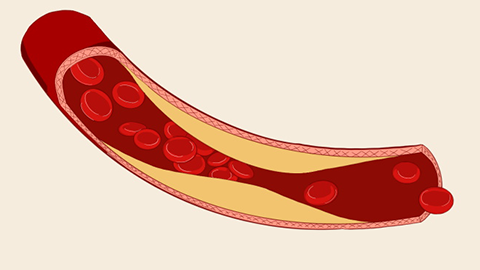
As people age, the arteries in the body gradually degenerate and undergo aging changes. In some elderly individuals, cerebral arteries may become hardened (a condition known as cerebral arteriosclerosis), which can easily reduce cerebral blood flow and lead to disease. So, what are the symptoms of cerebral arteriosclerosis?
Symptoms of Cerebral Arteriosclerosis
Symptoms of cerebral arteriosclerosis include neurasthenic syndrome and retinal arterial sclerosis. Some patients experience headaches, dizziness, and fatigue following cerebral arterial hardening. Others may exhibit emotional instability, cognitive slowing, and sleep disturbances. When this occurs, the patient’s condition tends to fluctuate repeatedly. Clinically, thinning of the arterial walls and enhanced arterial reflexes may be observed. In more severe cases, patients may develop “silver-wire”–like arteries or arteriovenous hypertension; stroke patients may present with neurological deficits and other associated symptoms.
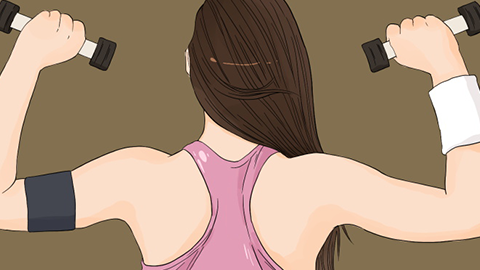
Cerebral arteriosclerosis can be prevented through regular physical exercise. To improve cerebral vascular patency, patients can enhance systemic circulation via physical activity. Prior to exercising, it is essential to warm up gradually and progress step-by-step to avoid drinking large amounts of water or tea immediately after exercise. Additionally, it is advisable to eat after exercising—exercising on an empty stomach may easily trigger gastrointestinal disorders.
Patients are advised to maintain a regular daily routine, abstain from alcohol and tobacco, and avoid exposure to secondhand smoke. Maintaining a cheerful and calm mood is crucial, as excessive excitement may increase the risk of stroke. We hope this information is helpful to you.


