


How is mild arteriosclerosis treated?

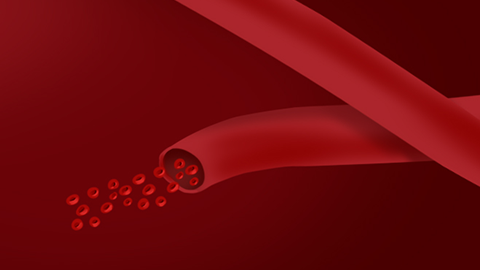
The incidence of arteriosclerosis is relatively high among elderly individuals. This is because, with advancing age, the arterial walls gradually thicken and stiffen, losing elasticity over time—leading to narrowing of the arterial lumen and ultimately resulting in arteriosclerosis. Arteriosclerosis can damage vital organs such as the heart and kidneys, and therefore requires timely treatment. So, how is mild arteriosclerosis treated?
How Is Mild Arteriosclerosis Treated?
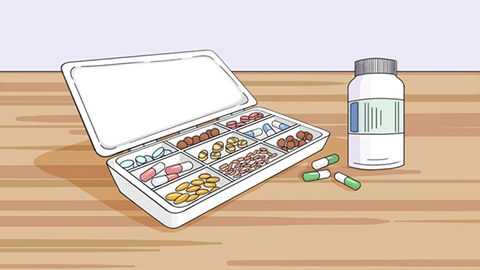
Mild arteriosclerosis can be managed pharmacologically. Cholesterol-lowering medications—particularly statins such as simvastatin and atorvastatin—are commonly prescribed. These drugs not only reduce blood lipid levels but also stabilize atherosclerotic plaques, thereby preventing disease progression. Long-term use is generally recommended. Additionally, low-dose aspirin may be used for antiplatelet therapy to prevent thrombosis and subsequent vascular occlusion. Treatment regimens vary depending on the affected arteries—for example, alprostadil is often used for lower-limb arteriosclerosis, whereas nitrates are employed for coronary artery disease to promote vasodilation and improve myocardial blood supply.
Smoking is a common cause of mild arteriosclerosis. Cigarettes contain high concentrations of nicotine; chronic exposure damages the inner lining of arteries, promoting fatty plaque formation. Nicotine also induces arterial spasm and reduces blood flow, significantly increasing the risk of arteriosclerosis in long-term smokers.
Patients are advised to adopt healthy lifestyle habits—including smoking cessation and alcohol moderation—as well as consuming more low-sugar vegetables and fruits and opting for light, low-fat meals. We hope this information proves helpful.


