


What tea should be consumed for hypotension?

Many individuals suffer from hypotension due to malnutrition. In fact, if hypotension is severe, it can significantly impair daily life and academic performance—and adversely affect work productivity as well. Therefore, prompt treatment is essential upon diagnosis of hypotension. Since numerous factors can cause low blood pressure, a common question arises: What teas are beneficial for hypotension?
Teas Recommended for Hypotension
Individuals with hypotension may benefit from drinking jujube (Chinese date) tea, angelica root (Danggui) tea, red ginseng tea, or teas made from Ophiopogon japonicus (Maidong) and Schisandra chinensis (Wuweizi). Additionally, moderate consumption of mild green tea may also support overall health. Patients with hypotension must pay close attention to dietary adjustments to ensure balanced nutrition. Specifically, they should consume ample high-quality protein—such as lean meats, eggs, and milk—to strengthen nutritional intake. Regular participation in gentle aerobic exercise is also recommended to enhance the body’s resistance to disease.

In daily life, individuals with hypotension should take the condition seriously. Women with physiological hypotension, for instance, should engage regularly in physical activities such as running or ball sports. Elderly individuals and those who are frail or otherwise physically weak should also maintain appropriate levels of exercise. Moreover, patients with hypotension should avoid overeating at any single meal; excessive food intake diverts blood flow to the digestive tract, potentially worsening cerebral hypoperfusion symptoms.
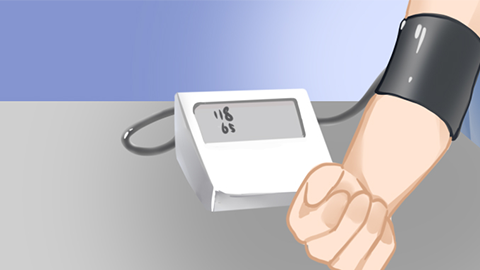
In everyday life, individuals should follow a disciplined diet—avoiding spicy or highly stimulating foods, refraining from binge eating, and ensuring adequate sleep by avoiding late-night activity. We hope this information proves helpful.


