


Can patients with heart disease undergo gastroscopy?

With the accelerating pace of modern life, an increasing number of people are developing heart disease. So, can individuals with heart disease undergo gastroscopy?
Can individuals with heart disease undergo gastroscopy?
Gastroscopy is generally contraindicated in patients with heart disease. In mild cases of heart disease, physical examination may reveal signs such as clubbing of fingers, pulmonary hypertension, or delayed growth and development in elderly patients. Clinical manifestations may include pallor, shortness of breath, dyspnea, tachycardia, and pronounced cyanosis of the nasal tip, lips, and nail beds. Children with congenital heart disease often present with failure to thrive, malnutrition, and developmental delay. Some patients experience chest pain or syncope; others may exhibit abnormal sweating.

Causes of heart disease include atherosclerosis, hypertension, infections, and respiratory system disorders. Treatment must be individualized based on the specific type of heart disease and clinical presentation. Patients should maintain a balanced diet—low in calories, fat, cholesterol, and salt—and consume ample fresh fruits, vegetables, and high-fiber foods to ensure regular bowel movements. Avoid overeating; instead, opt for smaller, more frequent meals.
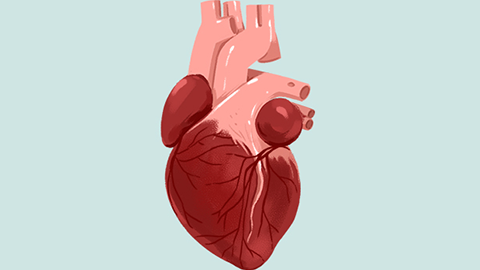
If you frequently experience symptoms of heart disease, it is essential to maintain a balanced diet, ensure adequate rest, engage in appropriate physical exercise, and undergo regular follow-up examinations—these measures help stabilize your condition. During treatment, maintaining a positive mental outlook and avoiding excessive emotional fluctuations are also crucial. I hope this information proves helpful to you. Wishing you good health and happiness!


