


Does pain in the scapular region indicate heart disease?

In daily life, many people experience pain along the scapular border and worry it may indicate heart disease. So, is pain along the scapular border a sign of heart disease?
Is pain along the scapular border caused by heart disease?
Pain along the scapular border is not exclusively caused by heart disease; it may also result from normal physical activity leading to localized muscle or ligament strain or injury. Additionally, spinal conditions such as fasciitis, cervical spinal stenosis, or cervical disc herniation can also cause pain along the left scapular border. Therefore, to determine the precise underlying cause, a comprehensive medical evaluation at a hospital is essential, followed by targeted treatment based on the diagnosis.

Heart disease presents with the following six characteristic symptoms: First, cardiogenic dyspnea—manifesting as shortness of breath, a sensation of air hunger, chest tightness, and difficulty breathing. Second, palpitations—characterized by awareness of rapid or irregular heartbeat, accompanied by anxiety and discomfort in the precordial region. Third, cyanosis—resulting from elevated levels of reduced hemoglobin in the blood, causing bluish-purple discoloration of the skin and mucous membranes. Fourth, chest pain—possibly indicative of angina pectoris or, in more severe cases, myocardial infarction due to profound ischemia. Fifth, cardiogenic edema—occurring secondary to right-sided heart failure, typically first appearing in dependent body areas (e.g., ankles and feet). Sixth, syncope—a transient, sudden, and reversible loss of consciousness caused by widespread, temporary cerebral hypoperfusion and hypoxia.
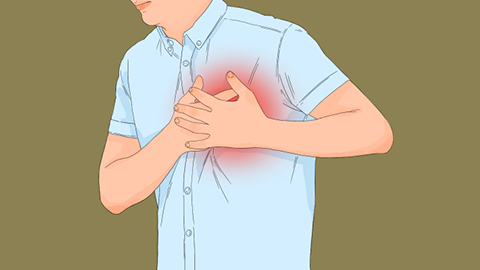
If you frequently experience symptoms suggestive of heart disease, prompt medical evaluation and management are crucial. I hope this response has been helpful to you. Wishing you good health and peace of mind!


