


Can stress cause premature beats?

In daily life, excessive mental stress and chronic sleep deprivation may trigger premature beats (premature contractions). So, can anxiety cause premature beats?
Can Anxiety Cause Premature Beats?
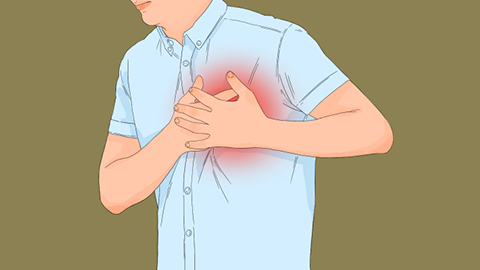
Anxiety is highly likely to induce premature beats in patients. Premature beats refer to cardiac electrical impulses originating outside the sinoatrial (SA) node during normal sinus rhythm. Emotional excitement and anxiety can stimulate the sympathetic nervous system, leading to tachycardia. Some patients may experience premature beats that are purely physiological and do not require specific treatment; symptom relief can often be achieved by managing emotional well-being. However, if premature beats persist, prompt evaluation at a reputable hospital is essential. Diagnostic tests—including transthoracic echocardiography and 24-hour Holter monitoring—can help confirm the diagnosis. In daily life, maintaining emotional stability, avoiding adverse psychological stressors, and refraining from stimulant foods are recommended.

Premature beats may also arise from organic cardiac conditions such as arrhythmias, heart failure, ischemic cardiomyopathy, or congenital heart disease. To assess the frequency of premature beats, comprehensive evaluations—including Holter monitoring and echocardiography—are necessary. If premature beats occur frequently (e.g., numerous episodes per day), etiology-specific treatment is warranted, often supplemented with antiarrhythmic medications. Should pharmacotherapy prove ineffective, surgical intervention—such as radiofrequency catheter ablation—may be considered. Physiological premature beats may result from poor sleep hygiene (e.g., chronic late-night activity), anxiety, alcohol consumption, or smoking, all of which can predispose individuals to occasional premature beats. Isolated, infrequent premature beats typically require no specific therapy; improvement usually occurs spontaneously with lifestyle modifications.
Regular follow-up examinations are crucial during treatment. I hope this response has been helpful. Wishing you excellent health and peace of mind!


